
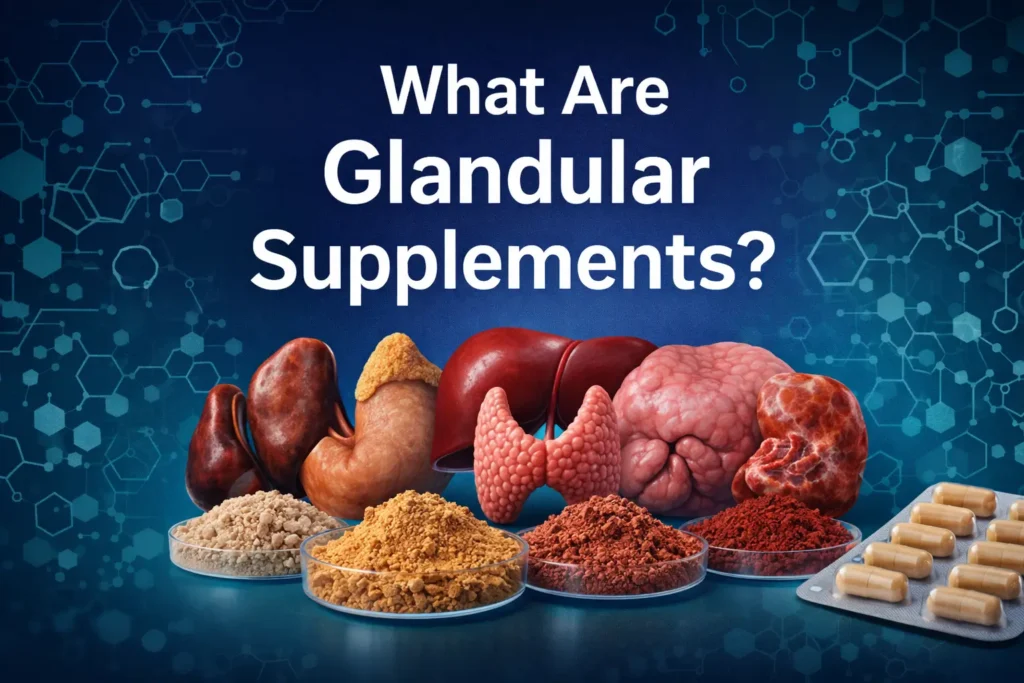
Glandular supplements are nutritional products derived from animal organs and tissues that provide targeted support to corresponding organs in the human body. These specialized supplements have been used for decades by healthcare practitioners seeking natural approaches to support thyroid function, adrenal health, liver performance, and other organ systems. Henan Unicorns Biotechnology Co., Ltd. stands as the leading glandular powder manufacturer in China, producing high-quality raw materials that meet international standards for purity and potency.
The concept behind glandular supplements stems from the principle that consuming concentrated nutrients from healthy animal organs can provide tissue-specific factors to support similar organs in your body. These supplements typically contain proteins, enzymes, vitamins, minerals, and other bioactive compounds that may be deficient or lacking in your diet. You’ll find glandular products sourced primarily from bovine sources, though other animal origins are also used depending on the target organ.
Understanding how these supplements are manufactured, what benefits they offer, and how to select quality products becomes essential as the market for glandular supplements continues to expand. This guide explores the science behind glandular therapy, examines different organ types available, reviews manufacturing processes, and provides practical guidance for incorporating these supplements into modern nutritional strategies.
What Are Glandular Supplements Made From?
Glandular supplements are manufactured from animal organs and glands that are cleaned, dried, and processed into concentrated powders or capsules. The most common sources are bovine (cattle), porcine (pig), and occasionally ovine (sheep) tissues, with specific organs selected based on their intended therapeutic application.
Animal Glandular Powders
The production of animal glandular supplements begins with sourcing fresh organs from livestock, typically grass-fed cattle raised without hormones or antibiotics. The raw tissues undergo cleaning and defatting to remove unwanted materials while preserving bioactive components.
Manufacturers then use freeze-drying or desiccation processes to convert the organs into stable powders. Freeze-drying preserves temperature-sensitive enzymes, peptides, and nucleic acids that might degrade under heat. The dried material is milled into fine powders and encapsulated or pressed into tablets.
Bovine glandular supplements dominate the market due to their availability and perceived similarity to human physiology. Quality manufacturers implement third-party testing for pathogens, heavy metals, and bovine spongiform encephalopathy (BSE) to ensure safety. The final products contain proteins, enzymes, vitamins, minerals, and tissue-specific peptides unique to each organ type.
Common Organs Used in Supplements
Different organs provide distinct nutritional profiles based on their biological functions. Organ glandular supplements target specific health concerns through their concentrated nutrient content.
Adrenal glands supply vitamin C, B vitamins, and peptides used for stress support and fatigue management. Thyroid glands provide iodine and tyrosine for metabolic function, though over-the-counter versions contain minimal hormone content. Liver delivers heme iron, B12, folate, and coenzyme Q10 for energy and detoxification support.
Pancreas extracts contain digestive enzymes and metabolic cofactors. Thymus and spleen tissues supply immune-modulating peptides. Heart, kidney, and prostate glandulars serve more specialized applications depending on practitioner protocols and individual needs.
How Glandular Supplements Work
Glandular supplements operate on the principle that consuming concentrated animal tissues provides targeted nutritional support to your corresponding human organs and glands. When you ingest these supplements, your body receives specific proteins, enzymes, hormones, and other bioactive compounds naturally present in the source tissue.
The underlying mechanism of natural glandular therapy suggests that these concentrated nutrients can nourish and support under-functioning glands in your body. The theory proposes that your digestive system breaks down these tissues into their constituent parts, which then become available for your organs to utilize.
Key Working Principles:
- Your body absorbs nutrients, precursors, and hormones from the glandular tissue
- These components provide raw materials your glands need for optimal function
- The supplements deliver naturally occurring ratios of substances found in healthy tissue
- Your corresponding organs receive targeted nutritional support
The supplements work best when your glands are under-functioning or when you experience symptoms without altered laboratory results. Some practitioners believe the molecular similarity between animal and human tissues allows for direct tissue-to-tissue support.
It’s important to understand that many glandular products have specific hormones removed to prevent toxic effects from over-the-counter use. The thyroid glandular, for example, is purified to remove thyroxine while retaining other beneficial nutrients and lesser-known hormones.
Your body’s response to glandular supplementation varies based on the source animal, preparation method, and your individual health status. The effectiveness depends on factors including dosage, duration of use, and the specific gland being supported.
Benefits of Glandular Supplements
Glandular supplements provide concentrated nutrients from animal organs that may support corresponding human tissues and systems. These organ-based nutrition products deliver enzymes, peptides, vitamins, and minerals in forms that practitioners and users report have targeted applications for immune function, metabolic health, and overall vitality.
Nutrient Density & Bioavailability
Organ meat supplements contain nutrient profiles that surpass conventional muscle meats in several key areas. Beef liver powder provides high concentrations of vitamin A (as retinol), B vitamins (especially B12, riboflavin, and folate), copper, and choline in naturally occurring ratios. These nutrients exist in their active forms rather than synthetic analogs, which may affect how your body processes and uses them.
The bioavailability of nutrients from glandular sources relates to their whole-food matrix. When you consume beef spleen powder or other organ-based supplements, you receive cofactors and complementary compounds that work together. Iron from beef liver appears in heme form, which your digestive system absorbs more efficiently than non-heme iron from plant sources or isolated supplements.
Nutrient-dense organ supplements also provide amino acids in tissue-specific patterns. The collagen and elastin content in certain glandulars contributes structural proteins that support connective tissue health throughout your body.
Immune System Support (Thymus & Spleen)
Beef thymus powder contains tissue from the gland responsible for T-cell maturation and immune system development. Practitioners who use glandular therapy suggest that thymus supplements may provide immune-modulating compounds and peptides. Research by Dr. Howard Weiner demonstrated that oral tissue-specific substances can influence immune responses, particularly in autoimmune conditions.
The thymus gland naturally decreases in size and function as you age. Supplementing with thymus glandular aims to provide the raw materials your immune system uses for surveillance and response functions.
Beef spleen powder serves as another immune support supplement due to the spleen’s role in filtering blood and producing white blood cells. Spleen glandulars contain iron, vitamin C, and immune-supporting peptides. Your spleen stores approximately 25% of your body’s platelets and plays a central role in recycling iron from old red blood cells, making spleen supplements particularly relevant for those focused on both immune function and blood health.
Energy & Metabolic Support (Adrenal & Thyroid)
Adrenal gland supplements contain tissue from the glands that produce cortisol, adrenaline, and other hormones regulating your stress response and energy levels. Natural adrenal support through glandulars aims to provide the nutrients your adrenals need during periods of increased demand. These supplements typically include the adrenal cortex, which produces steroid hormones, though some products contain whole adrenal tissue.
Users of adrenal glandulars often report improved energy and better stress adaptation. The supplements provide B vitamins, vitamin C, and adrenal-specific peptides. Practitioner-grade glandular supplements for adrenal support may be recommended for fatigue, blood sugar irregularities, or recovery from prolonged stress.
Thyroid glandular supplements contain desiccated thyroid tissue that includes T3, T4, and thyroid-supporting nutrients like iodine and selenium. Thyroid support supplements work differently than prescription thyroid medications, providing a broader range of compounds rather than isolated hormones. You should only use thyroid glandulars under professional guidance, as they can affect thyroid hormone levels and interact with thyroid medications.
Women’s Health & Beauty Applications (Placenta)
Placenta powder supplements contain tissue from the organ that nourishes developing life during pregnancy. These products appear frequently in beauty and hormonal balance applications. Placenta supplements provide growth factors, hormones (including estrogen and progesterone), and proteins that support tissue repair and regeneration.
Traditional medicine systems, particularly in Asian countries, have used placenta for postpartum recovery and anti-aging purposes. The tissue contains high levels of iron, which addresses the depletion that occurs during menstruation and childbirth. Women use placenta glandulars for skin health, as the growth factors may support collagen production and cellular turnover.
The amino acid profile in placenta supplements includes all essential amino acids in bioavailable forms. Some practitioners recommend placenta glandulars for hormonal transitions, including perimenopause, though you should approach hormone-influencing supplements with professional guidance.
Iron & Vitality Support (Beef Liver)
Beef liver powder stands as one of the most widely used glandular supplements due to its exceptional iron content and broad nutrient spectrum. A small serving provides several times your daily iron requirement, with the heme form absorbing at rates of 15-35% compared to 2-20% for non-heme sources. This makes iron-rich organ supplements from liver particularly effective for addressing deficiency without the constipation often associated with synthetic iron supplements.
Your body uses liver’s vitamin A to support vision, immune function, and skin health. The copper content works synergistically with iron for red blood cell formation. Beef liver also contains CoQ10, an energy-supporting compound concentrated in metabolically active tissues.
Beyond single nutrients, liver glandulars provide the “anti-fatigue factor” that early nutritional researchers identified. This combination of B vitamins, iron, and liver-specific compounds supports energy production at the cellular level, making beef liver powder a foundational supplement in many practitioner protocols for fatigue and vitality enhancement.
Applications in Modern Nutraceuticals
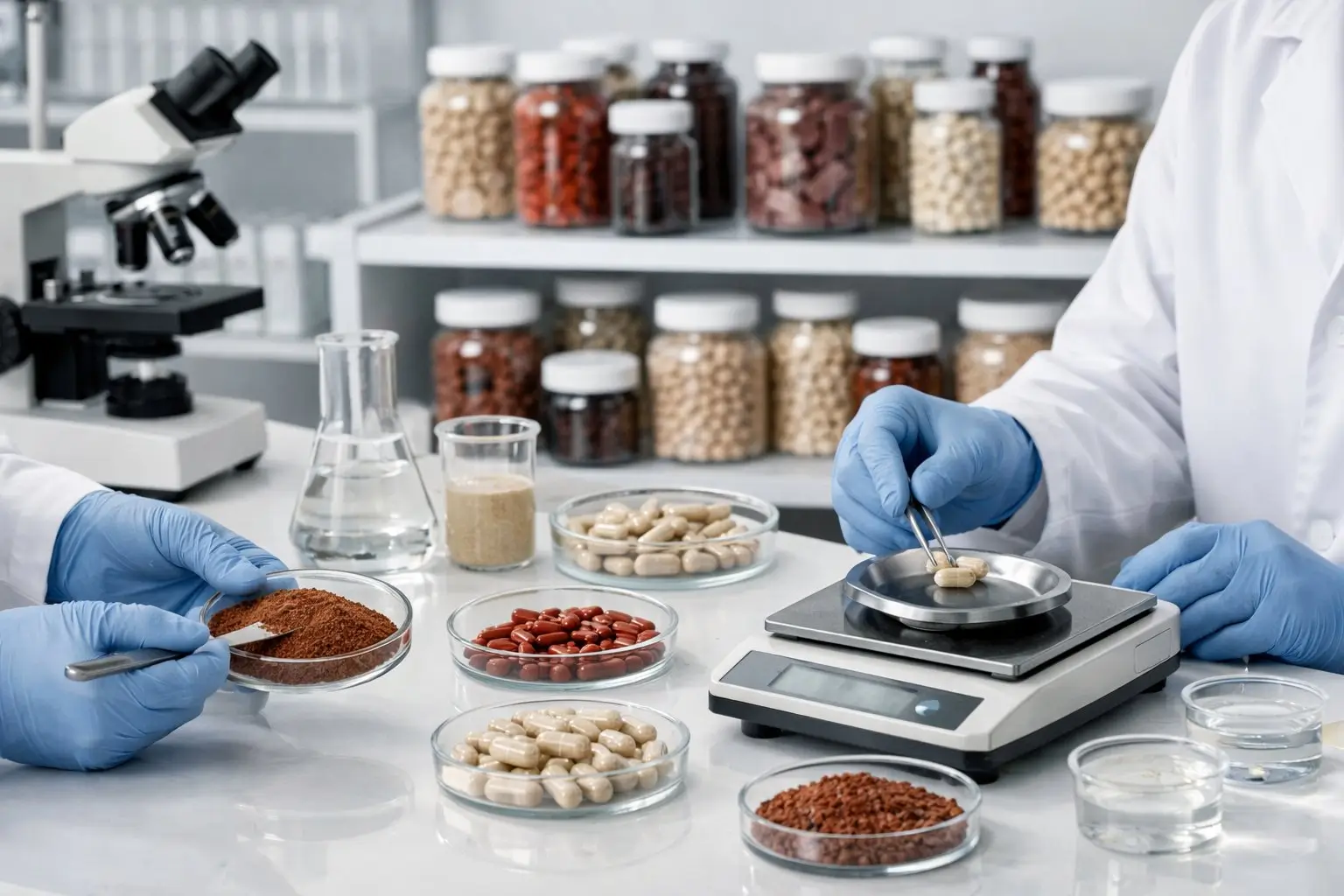
Glandular supplements have found diverse applications in the nutraceutical industry, where manufacturers develop specialized products to support targeted organ and glandular health. You’ll find these products available through various channels, from retail brands to healthcare practitioner formulations.
Capsule formulation glandular products represent the most common delivery method in modern nutraceuticals. Manufacturers encapsulate freeze-dried organ powder for nutraceuticals to protect the bioactive compounds and ensure consistent dosing. This format offers you convenience and precise control over intake amounts.
The rise of private label glandular supplements has expanded market access significantly. Contract manufacturers now offer businesses the opportunity to create branded glandular products without investing in specialized extraction equipment or raw material sourcing. These partnerships enable smaller companies to enter the market with quality-controlled products.
Custom organ supplement formulation services allow practitioners and brands to develop targeted blends. You can combine specific glandulars with complementary nutrients, herbs, or enzymes to address particular health goals. Common combinations include adrenal extracts with adaptogenic herbs or thyroid glandulars with selenium and iodine.
Modern applications include:
- Digestive support formulas containing pancreas extracts for enzyme supplementation
- Stress management products featuring adrenal glandulars
- Metabolic support supplements with thyroid extracts (hormone-free)
- Immune system formulations incorporating thymus tissue
- Detoxification protocols using liver and kidney glandulars
Manufacturing standards have improved dramatically, with reputable suppliers sourcing from disease-free regions like New Zealand. You benefit from rigorous testing protocols that screen for contaminants and verify potency before products reach the market.
Types of Glandular Supplements in the Market
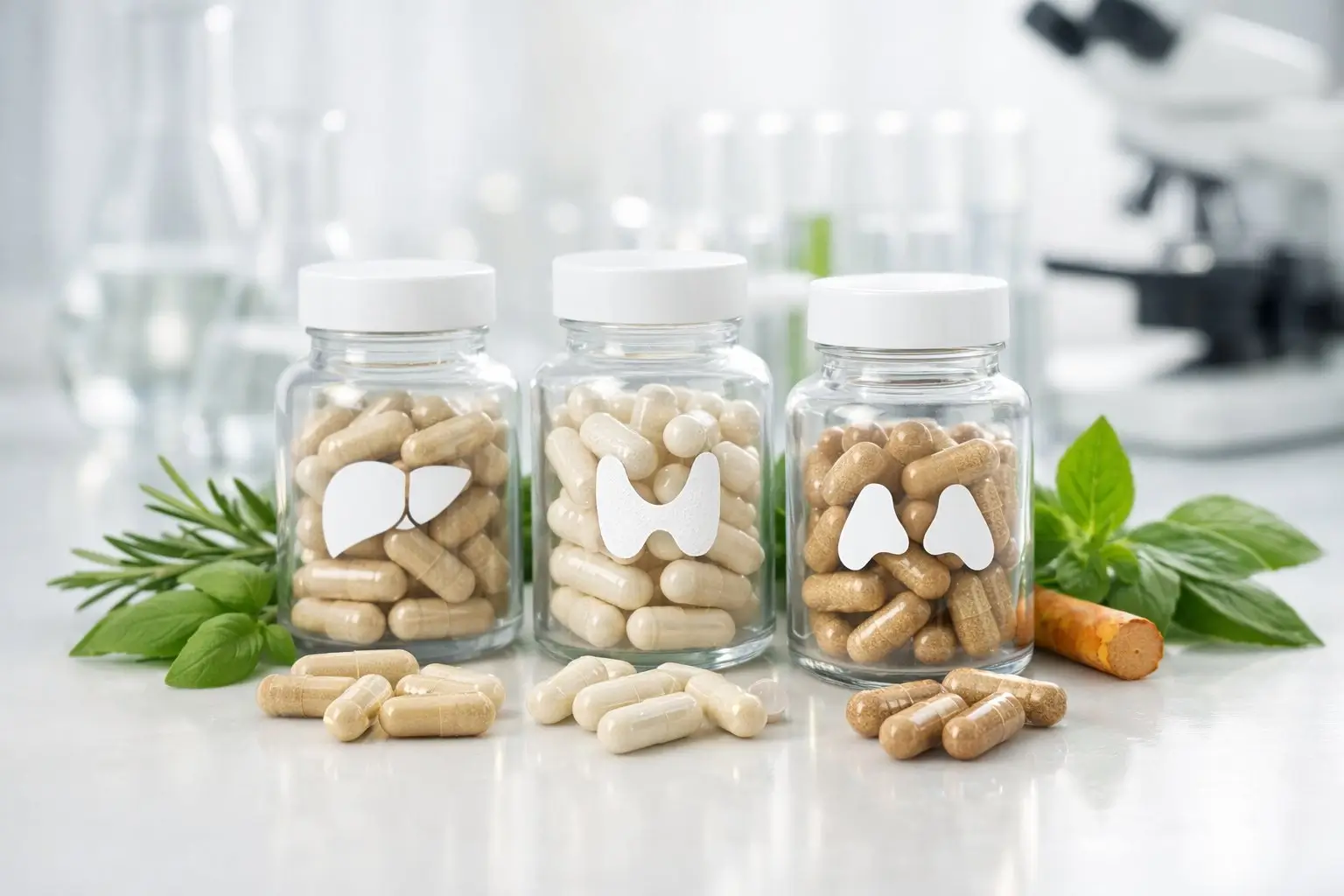
Glandular supplements come in four primary forms that differ in their processing methods and concentration levels. Each type offers distinct characteristics in terms of nutrient density, bioavailability, and intended applications.
Whole Glandular Powder
Whole glandular powder represents the most minimally processed form of glandular supplementation. Manufacturers create this type by freeze-drying or low-temperature drying the entire gland or organ, then grinding it into a fine powder without removing any components.
This processing method preserves the complete nutritional profile of the source tissue. You receive all naturally occurring vitamins, minerals, enzymes, proteins, and fat-soluble nutrients in their original ratios. Whole adrenal powder and bovine thyroid powder are common examples that maintain their full spectrum of constituents.
The main advantage lies in the preservation of fat-soluble vitamins and essential fatty acids that other processing methods might remove. However, whole glandular powders typically have a lower concentration of specific active compounds compared to extracts. Products like organ complex supplement formulations often use whole glandular powders to provide broad-spectrum nutritional support.
Defatted Glandular Powder
Defatted glandular powder undergoes additional processing to remove fat content while maintaining the protein and water-soluble components. This refinement increases the concentration of protein-based nutrients per gram of final product.
The defatting process extends shelf life and reduces the potential for rancidity that can occur with fat-containing supplements. You get a more concentrated source of peptides, amino acids, and water-soluble vitamins compared to whole glandular powders.
This form works well when you need higher concentrations of protein-based nutrients without the fat content. The trade-off involves losing fat-soluble vitamins and essential fatty acids present in the original tissue. Many practitioners prefer defatted forms for adrenal and thyroid support when they want to avoid potential hormonal fluctuations from lipid-based compounds.
Glandular Extracts
Glandular extracts represent highly concentrated forms produced through extraction processes that isolate specific compounds or compound groups. Manufacturers use various solvents and techniques to separate desired components from the raw glandular tissue.
These extracts can be standardized to contain specific percentages of target compounds, providing more predictable dosing. Whole organ extract products may concentrate particular enzymes, hormones, or peptide fractions depending on the intended therapeutic application.
The concentration factor typically ranges from 4:1 to 20:1, meaning four to twenty grams of raw tissue produces one gram of extract. This makes glandular extracts the most potent option per unit of weight. You need smaller doses compared to powder forms, which can be advantageous for compliance.
Glandular Peptides
Glandular peptides are specialized products containing short-chain amino acid sequences derived from glandular tissues. These bioactive peptides are isolated through enzymatic hydrolysis or other extraction methods that break down larger proteins into specific peptide fragments.
The resulting peptides maintain biological activity and may offer enhanced absorption compared to intact proteins. Sheep placenta powder products, for example, often emphasize their peptide content for anti-aging and cellular regeneration purposes.
Research suggests certain glandular peptides can support cellular signaling and tissue-specific functions. The molecular weight of these peptides typically ranges from 500 to 5,000 daltons, which allows them to potentially cross the intestinal barrier more efficiently than larger protein molecules. You may see these marketed under terms like “tissue-specific peptides” or “organ-derived peptides” in supplement formulations.
Manufacturing Process of Glandular Powders
The production of freeze-dried glandular supplements follows strict protocols to ensure purity, potency, and safety. Each stage from sourcing to final testing maintains the biological integrity of organ tissues while meeting regulatory standards.
Raw Material Selection & Traceability
Your glandular supplements begin with organs and glands sourced from inspected livestock facilities. Government-inspected facilities examine animals both before and after slaughter to verify they meet health standards. Most glandular raw material manufacturers source from bovine or porcine animals raised in the United States, Argentina, or New Zealand.
The raw organs arrive at processing facilities in frozen form to preserve their cellular structure and nutritional components. Each batch maintains complete traceability documentation that tracks the source facility, animal inspection records, and shipping conditions. This chain of custody ensures you receive products from verified, healthy animal sources.
Premium manufacturers prioritize defatted organs that concentrate the active glandular compounds while removing unnecessary lipid content.
Grinding & Pre-Processing
Once raw materials arrive at the laboratory, technicians process the frozen organs through industrial meat grinders. This initial grinding breaks down the tissue into smaller, uniform pieces that facilitate efficient freeze-drying. The ground material spreads across stainless steel trays in thin layers to maximize surface area exposure.
Workers then place these trays into commercial freezers where the material reaches hard-frozen status at temperatures well below 0°F. This deep-freezing step is critical because it forms ice crystals within the tissue that will later sublimate during lyophilization. The frozen trays remain in storage until the freeze-dryer becomes available for the next processing batch.
Freeze-Drying (Lyophilization)
The freeze-dryer creates a vacuum chamber environment where frozen organ tissues undergo sublimation. Low heat application during this vacuum process converts ice crystals directly from solid to vapor without passing through a liquid phase. This preservation method maintains the structural proteins, enzymes, and nutrient cofactors that give glandular supplements their biological activity.
The lyophilization cycle typically runs 2-3 days until moisture content drops below 6%. This extended processing time ensures thorough water removal while keeping temperatures low enough to prevent protein denaturation. The resulting lyophilized organ powder retains the nutritional profile of fresh tissue in a shelf-stable form.
Freeze-dried organ powder emerges as a brittle, porous material that easily crumbles into fine particles.
Grinding & Standardization
After lyophilization completes, workers remove the dried material and subject it to defatting processes that extract remaining lipids. The defatted tissue then passes through precision grinders that reduce it to a fine, uniform powder suitable for encapsulation. Particle size consistency ensures accurate dosing and optimal dissolution in your digestive system.
Multiple production batches often undergo blending to achieve standardized potency across different manufacturing runs. This statistical blending process accounts for natural variations in raw material composition. The final powder specifications include moisture content limits, particle size distribution ranges, and minimum protein concentrations that define product quality standards.
Microbial Testing & Quality Control
Every batch of glandular powder undergoes comprehensive microbial testing before release for distribution. Laboratory technicians perform statistical sampling that screens for bacterial contamination, including pathogenic organisms like Salmonella and E. coli. These tests also measure total aerobic plate counts and yeast/mold levels to verify the product meets safety thresholds.
Quality control protocols extend beyond microbial testing to include heavy metal screening, pesticide residue analysis, and identity verification through protein profiling. Certificates of Analysis document all test results and confirm compliance with GMP standards for dietary supplements. Only batches that pass every quality checkpoint proceed to encapsulation and packaging for consumer distribution.
This rigorous testing framework protects you from contaminated products while ensuring the freeze-dried glandular supplements maintain their intended biological activity.
Quality Standards & Safety Considerations
Manufacturing standards for glandular supplements follow strict protocols to ensure product safety and consistency. Industry guidelines like GMP (Good Manufacturing Practices) and ISO 13485 regulate production, quality control, packaging, and distribution processes. These frameworks maintain batch-to-batch consistency and product reliability.
Source material safety is the primary concern when evaluating glandular supplements. Reputable manufacturers use BSE-free glandular sources from countries with stringent livestock monitoring programs. You should verify that products come from animals raised in regions with documented BSE surveillance systems.
Testing protocols typically include:
- Pathogen screening for bacterial and viral contaminants
- Heavy metal analysis to detect environmental toxins
- Hormone residue testing to confirm hormone-free glandular powder
- Identity verification to ensure correct organ tissue sourcing
Third-party testing provides additional validation of supplement quality and purity. You can request certificates of analysis from manufacturers to verify testing results. Look for products that disclose their country of origin and processing methods.
Allergen considerations matter since glandular products are animal-derived. If you have sensitivities to beef, pork, or sheep proteins, you need to review ingredient labels carefully. Some individuals may experience allergic reactions depending on their immune system response to animal proteins.
Storage conditions affect product stability. You should keep glandular supplements in cool, dry environments away from direct sunlight. Most products require protection from moisture to maintain potency and prevent degradation of active components.
Consult healthcare providers before starting glandular therapy, especially if you have thyroid conditions, autoimmune disorders, or take prescription medications. Professional guidance helps determine appropriate applications and identifies potential contraindications.
Market Trends in Glandular Supplements
The glandular supplements market is experiencing significant growth, with projections indicating expansion from $4.5 billion in 2024 to $8.2 billion by 2033 at a CAGR of 7.1%. You’ll notice this growth is primarily driven by increasing consumer interest in natural health solutions and preventive healthcare approaches.
Consumer preferences are shifting toward:
- Whole food supplements over synthetic alternatives
- Ancestral nutrition supplements based on traditional dietary practices
- Natural, minimally processed glandular products
- Organic and ethically sourced animal-derived ingredients
The trend toward ancestral nutrition has particularly influenced market dynamics. You can see consumers seeking supplements that align with traditional dietary principles, viewing glandular products as a way to incorporate nutrient-dense organ meats into modern diets.
North America currently leads the market with approximately 38% of total revenue, while Asia Pacific represents the fastest-growing region due to rising demand for natural health products. The male application segment accounts for 55% of market share, though both demographics show strong interest.
Key distribution trends include:
- Rapid e-commerce expansion reaching younger consumers
- Growing emphasis on transparency in sourcing and manufacturing
- Increased demand for product innovation combining glandular extracts with complementary ingredients
Regulatory considerations continue shaping the market landscape. You should be aware that strict regulations regarding animal-derived ingredients affect product availability and manufacturing processes across different countries.
The wellness industry’s growth has positioned glandular supplements as part of comprehensive health routines. Your purchasing decisions increasingly reflect interest in hormonal health and natural approaches to addressing age-related health concerns.
How to Choose a Reliable Glandular Powder Manufacturer
Selecting the right glandular supplement manufacturer requires careful evaluation of several critical factors. Your choice directly impacts product quality, safety, and effectiveness.
Source and Origin
Verify that your glandular powder supplier sources from animals raised in regions free from disease outbreaks. New Zealand and Argentina are preferred locations due to their strict agricultural standards and absence of bovine spongiform encephalopathy. Request documentation confirming the animals were grass-fed, hormone-free, and antibiotic-free.
Manufacturing Standards
Your manufacturer must operate under Good Manufacturing Practice (GMP) certification. This ensures proper handling, processing, and quality control throughout production. Ask about their freeze-drying methods, as this preservation technique maintains the integrity of bioactive compounds better than heat processing.
Testing and Transparency
A reliable glandular supplement manufacturer provides third-party testing results for:
- Heavy metal contamination
- Microbial purity
- Prion screening
- Potency verification
Processing Methods
Different extraction methods affect product quality. Freeze-dried glandular powders preserve more nutrients than salt-extracted versions. Your supplier should explain their processing techniques and temperature controls used during manufacturing.
Regulatory Compliance
Confirm your glandular powder supplier adheres to FDA regulations and international safety standards. They should maintain complete traceability from raw material sourcing through final product delivery.
Minimum Order Quantities and Customization
Evaluate whether the manufacturer accommodates your volume needs. Some suppliers require large minimum orders while others work with smaller batches. Discuss options for custom formulations or specific organ blends if needed for your product line.
Conclusion – The Strategic Role of Glandular Supplements in Modern Nutrition
Glandular supplements occupy a distinct position in modern nutritional approaches. Their use bridges traditional dietary practices with contemporary wellness strategies.
You have access to these supplements as tools for supporting specific organ systems in your body. The underlying principle follows nutritional correspondence—providing targeted nutrients to similar tissues.
Key Strategic Advantages:
- Direct nutritional support for corresponding glands
- Natural source of enzymes, hormones, and proteins
- Alternative to synthetic interventions for some conditions
- Integration with broader nutritional protocols
The market for glandular products continues expanding as awareness grows about alternative therapies. You can find formulations addressing thyroid function, adrenal health, liver support, and pancreatic wellness.
Common Applications:
- Hypothyroid support
- Adrenal insufficiency
- Autoimmune conditions
- Digestive enzyme supplementation
- Cardiovascular health
Your choice to use glandular supplements requires consideration of quality sourcing and proper manufacturing standards. These products demand careful preparation to ensure safety and efficacy.
The medical community has renewed interest in glandulars after decades of diminished attention. Research now provides better understanding of their mechanisms and appropriate clinical applications.
You should work with qualified healthcare practitioners when incorporating glandular supplements into your regimen. These products can interact with medications and require proper dosing for your specific needs. Their role remains complementary rather than replacement therapy in most cases.
Frequently Asked Questions
Glandular supplements work through nutrient transfer from animal organs to support corresponding human organs, with manufacturing involving freeze-drying or desiccation processes. These supplements target specific organs like thyroid, adrenal, and liver, though they carry potential risks including allergic reactions and hormonal imbalances that require careful consideration.
How do glandular supplements enhance bodily functions?
Glandular supplements enhance bodily functions through a principle called “like supports like,” where consuming animal organ tissue provides nutritional support to the corresponding organ in your body. These supplements contain amino acids, peptides, enzymes, and cofactors that are bioavailable and may support your endocrine and organ systems.
The theory suggests that when you consume specific glandular tissue, your body absorbs the nutrients and uses them to nourish the same organ. For example, thyroid glandulars contain iodine and thyroid hormones that may support thyroid function.
Your body can utilize the vitamins, minerals, and protein structures found in glandular supplements to maintain normal organ function. However, scientific evidence supporting these mechanisms remains limited, and more research is needed to fully understand how these supplements work at the cellular level.
What specific organs are targeted by glandular supplements, and what are their benefits?
Thyroid glandulars are used to support thyroid function and may help with hypothyroidism symptoms like fatigue, weight gain, and low energy. These supplements contain thyroid hormones and iodine that can influence your metabolic rate.
Adrenal glandulars target adrenal function and are marketed for stress support, fatigue reduction, and hormonal balance. They contain compounds that may support your body’s stress response system.
Liver glandulars provide nutritional support for detoxification and contain vitamins A and B12, iron, and other nutrients that support liver health. Pancreas glandulars are used for digestive support and may contain enzymes that aid in breaking down food.
Heart glandulars contain CoQ10 and other nutrients that support cardiovascular function. Ovarian and testicular glandulars are marketed for reproductive health and hormonal balance, though evidence for their effectiveness is limited.
Can you outline the standard process used in the manufacturing of glandular supplements?
The manufacturing process begins with sourcing organs from livestock, typically cattle or pigs, which are inspected for quality and safety. Animals are usually sourced from regions where disease risk is minimal.
Freeze-drying is the most common preservation method, where organs are rapidly frozen and then subjected to vacuum conditions that remove moisture while preserving heat-sensitive nutrients. This process maintains the structural integrity of proteins and enzymes.
Desiccation is an alternative method that uses low-temperature drying to remove moisture from the tissue. After drying, the tissue is ground into a fine powder and encapsulated or tableted for consumption.
Some manufacturers use additional processing steps like defatting to remove excess fat or standardization to ensure consistent potency. Quality manufacturers test their products for contaminants including bacteria, heavy metals, and hormones.
What are the potential side effects and risks associated with taking glandular supplements?
Allergic reactions are possible if you have sensitivities to animal proteins or specific organ tissues. Symptoms may include rash, itching, or digestive upset.
Thyroid glandulars can cause hyperthyroidism symptoms including increased heart rate, anxiety, weight loss, and heart palpitations if they contain active thyroid hormones. Taking these supplements without medical supervision can disrupt your natural thyroid function.
Iron overload is a risk with liver glandulars since liver tissue is naturally high in iron. Excessive iron intake can lead to toxicity over time.
Infection risk exists if products are contaminated with bacteria, viruses, or prions from source animals. Mad cow disease transmission was a historical concern, though modern manufacturing practices have reduced this risk significantly.
Hormonal imbalances can occur when taking glandulars that contain active hormones, potentially interfering with your body’s natural hormone production. You should consult a healthcare provider before starting glandular supplements, especially if you have existing health conditions.
In what ways are glandular supplements integrated into health and wellness regimens?
Practitioners who use glandular therapy typically integrate these supplements into treatment plans for specific organ support or hormonal balance. You might take thyroid glandulars as part of a hypothyroidism management plan alongside dietary changes and other supplements.
Adrenal glandulars are often incorporated into stress management protocols along with adaptogenic herbs, B vitamins, and lifestyle modifications. Some practitioners recommend taking them in the morning to support your natural cortisol rhythm.
Glandular supplements are sometimes used in conjunction with conventional treatments, though you should inform your healthcare provider about any supplements you’re taking. They may interact with medications or affect test results.
Some wellness protocols use multiple glandulars simultaneously to support interconnected organ systems. Dosing typically starts low and increases gradually based on your response and symptoms.
What regulations and quality standards govern the production and sale of glandular supplements?
In the United States, glandular supplements are regulated as dietary supplements under the Dietary Supplement Health and Education Act (DSHEA) of 1994. The FDA does not approve these supplements before they reach the market, unlike pharmaceutical drugs.
Manufacturers are responsible for ensuring their products are safe and that label claims are truthful. The FDA can take action against products that are adulterated, misbranded, or make disease claims.
Good Manufacturing Practices (GMPs) are required for supplement manufacturers, which include quality control measures, facility standards, and testing protocols. Third-party certifications from organizations like NSF International or USP provide additional quality verification.
Source animal requirements vary by country, with some regions requiring animals to come from herds free of transmissible spongiform encephalopathies (TSEs). You should look for products that specify their source and testing procedures on the label.