
Bulk Freeze-Dried Horse Placenta Powder Manufacturer in China
Home >> Bulk Ingredients >> Horse Glandular Powders >> Wholesale Horse Placenta Powder
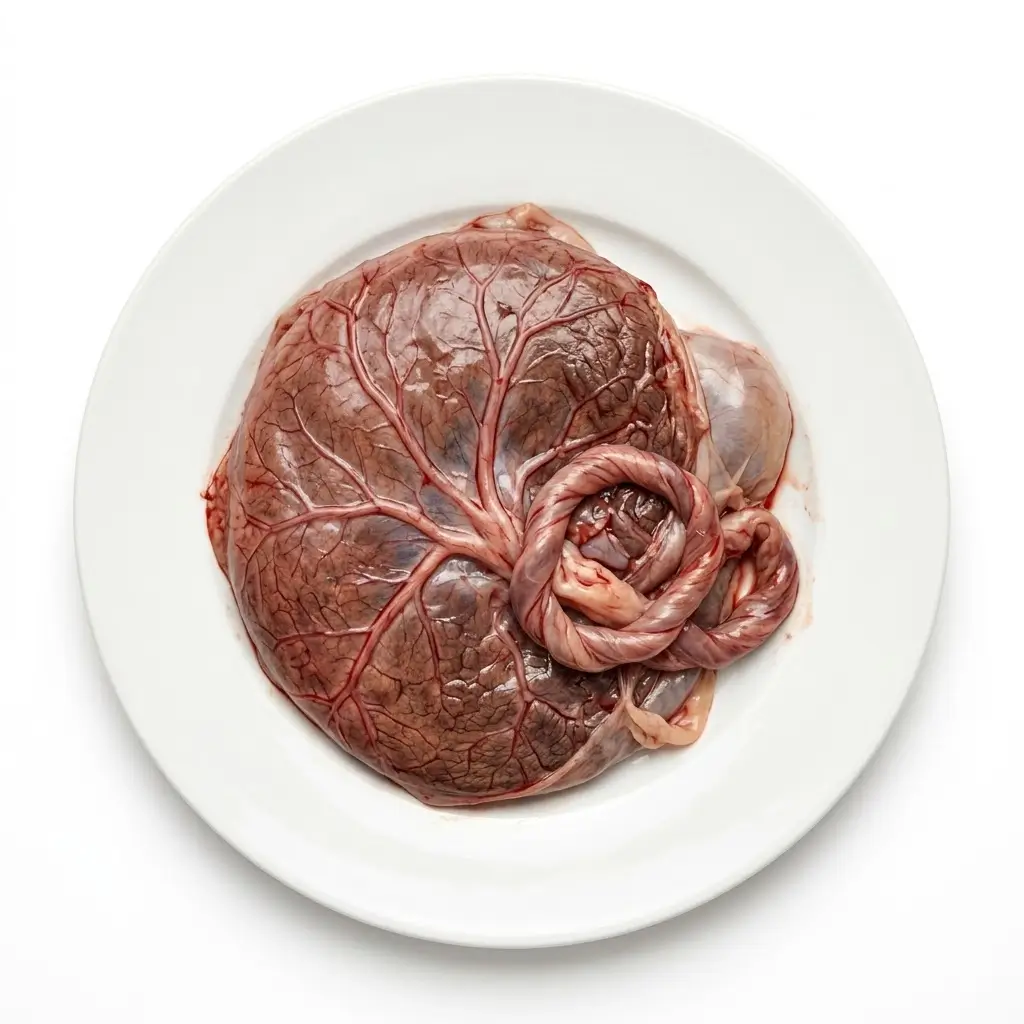
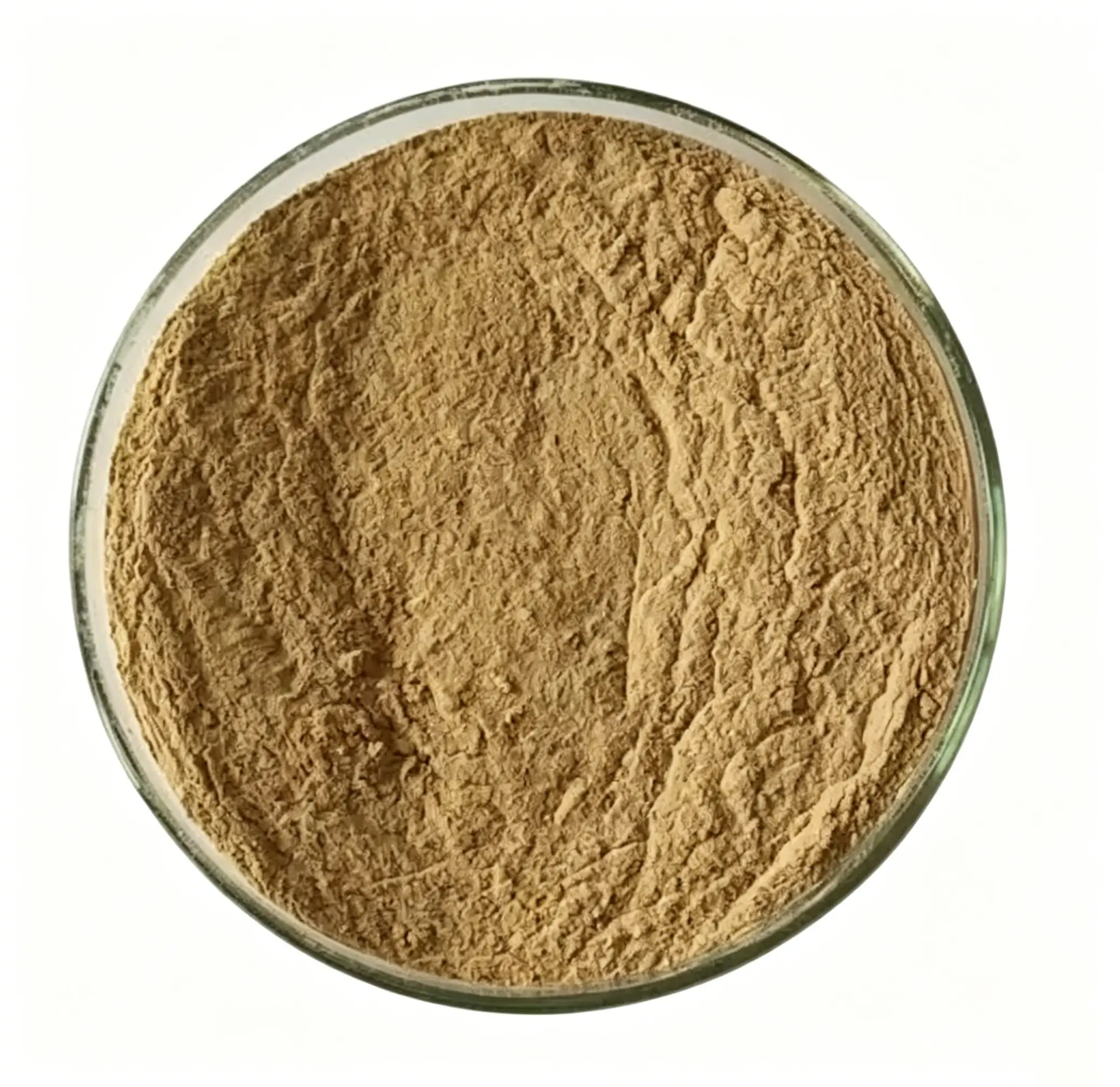
Horse Placenta Glandular Bulk Powder
| Product Name | Horse Placenta Powder |
| Other Names | Ma Tai Pan Fen, Horse Placenta Extract, Horse Placental Powder, Equine Placenta Powder, Dehydrated Horse Placenta Powder, Freeze-Dried Horse Placenta Powder, Lyophilized Horse Placenta Powder, Hydrolyzed Horse Placenta Powder, Enzymatically Hydrolyzed Equine Placenta, Fermented Horse Placenta Extract Powder, Horse Placenta Peptide Powder |
| Source | Equine Origin |
| Drying Method | Freeze Dried or Spray Dried Optional |
| Appearance | Brown Yellow Fine Powder |
| GMO Status | Non-GMO |
| Country of Origin | China |
| Traceability | Full Farm-to-Manufacturer Traceability |
| Applications | Organ Supplements, Capsules, Tablets, Powder Blends |
| Documents Available | COA, Specification, MSDS, Allergen Statement, Non-GMO Statement |
| Manufacturing Capability | 600 tons annually |
| OEM services | Custom formulation, capsules, tablets, blends, contract manufacturing, softgels |
| Bulk Packaging | 20kg Vacuum Sealed Foil Bags, 25kg/drum, or custom bulk packaging |
Henan Unicorns Biotechnology Co., Ltd. manufactures and supplies bulk Horse Placenta Powder for supplement brands, animal-derived ingredient distributors, nutrition companies, contract manufacturers and private label businesses.
Our equine placental material is processed into a stable brown-yellow powder through freeze-drying or spray-drying. The finished ingredient retains naturally occurring proteins, peptides, amino acids and other nutritional compounds found in placental tissue.
With an annual supply capacity of up to 600 tons for this product category, Unicorns Biotechnology supports regular wholesale orders, contract supply programs and customized production. Buyers can request different drying methods, particle sizes, packaging formats and finished dosage forms. We also supply other horse organ powders and animal-derived glandular ingredients.
What Is Horse Placenta Powder?
Horse Placenta Powder is made from carefully collected equine placental tissue. The cleaned raw material is frozen or concentrated, dried under controlled conditions and milled into a fine powder for use as a manufacturing ingredient.
It is also known as:
Horse Placental Powder
Equine Placenta Powder
Equine Placental Powder
Freeze-Dried Horse Placenta Powder
Lyophilized Equine Placenta Powder
Horse Placenta Extract Powder
Equine Placenta Extract Powder
Horse Placental Tissue Powder
Mare Placenta Powder
Horse Placenta Peptide Powder
Powder, Extract and Peptide Grades
These names do not always describe the same material.
Standard placenta powder normally contains the dried whole placental tissue. Placenta extract powder is produced by extracting selected water-soluble or enzyme-soluble fractions before drying. Placenta peptide powder usually undergoes enzymatic hydrolysis to reduce larger proteins into smaller peptide fractions.
Buyers should confirm the production process, protein specification and analytical method before comparing quotations.
Horse placenta is a natural biological material rather than a single purified chemical compound, so it does not have one universal CAS number. Each batch should be identified by product name, biological source, manufacturing method and lot number.
Unicorns Biotechnology supplies bulk equine placental powder and can customize mesh size, drying process, packaging, labeling, documentation and finished supplement formats.
Natural Composition of Equine Placenta
The composition of horse placental tissue varies with the raw material, collection stage and processing method. Whole-tissue powder normally contains a mixture of proteins, peptides, amino acids, lipids, minerals and naturally occurring biological compounds.
Proteins and Peptides
Placental tissue naturally contains structural proteins and smaller peptide fractions. Protein content depends on whether the material is whole powder, defatted powder, hydrolyzed powder or concentrated extract.
For projects that require a defined protein or peptide level, Unicorns Biotechnology can arrange batch testing and develop a specification based on the buyer’s formulation requirements.
Amino Acids
Equine placental protein provides amino acids that are used in protein metabolism and tissue nutrition. The exact amino acid profile can be tested by chromatography when required for product development or regulatory documentation.
Phospholipids and Natural Lipids
Whole placental material may retain phospholipids and other naturally occurring lipids. Their concentration depends on whether the powder is supplied as a standard non-defatted grade or processed through a fat-reduction step.
Minerals and Trace Nutrients
Placental tissue contains naturally occurring mineral components. Total mineral residue is measured as ash. Unicorns Biotechnology controls ash at no more than 5.0% under the standard specification.
Naturally Occurring Biological Fractions
Placental tissue may contain nucleotides, glycoproteins and other tissue-derived fractions. Their presence and concentration vary by batch. They should not be presented as standardized active ingredients unless supported by a defined test method and certificate of analysis.
No fixed percentage should be claimed for individual peptides, amino acids or growth-related compounds without batch-specific analytical data.
Horse Placenta Powder Specifications
Unicorns Biotechnology supplies Horse Placenta Powder as a brown-yellow fine powder produced from equine raw material. Freeze-dried and spray-dried grades are available. Standard quality controls include moisture, ash, heavy metals and microbiological testing.
Loss on drying is controlled at no more than 10.0%, while ash is limited to 5.0%. Total heavy metals must not exceed 10 ppm. Individual limits include lead at no more than 2 ppm, arsenic at no more than 2 ppm, cadmium at no more than 1 ppm and mercury at no more than 0.1 ppm.
Microbiological testing follows current USP pharmacopoeial requirements. Total aerobic microbial count is limited to 10,000 CFU/g, while combined yeast and mould count is limited to 100 CFU/g. Escherichia coli must be absent in 1 g, and Salmonella must be absent in 10 g.
Standard Specification Table
| Test Item | Specification |
| Product name | Horse Placenta Powder |
| Source | Equine origin |
| Appearance | Brown-yellow fine powder |
| Drying method | Freeze-dried or spray-dried |
| Loss on drying | ≤10.0% |
| Ash | ≤5.0% |
| Total heavy metals | ≤10 ppm |
| Lead | ≤2 ppm |
| Arsenic | ≤2 ppm |
| Cadmium | ≤1 ppm |
| Mercury | ≤0.1 ppm |
| Total aerobic microbial count | ≤10,000 CFU/g |
| Yeast and mould | ≤100 CFU/g |
| Escherichia coli | Absent/g |
| Salmonella | Absent/10 g |
| GMO status | Non-GMO |
| Irradiation status | Non-irradiated |
| Antibiotic status | Antibiotic-free |
| BSE status | BSE-free |
| Country of origin | China |
ICP-MS or atomic absorption methods may be used for heavy-metal testing. Moisture is commonly measured by loss on drying, while microbiological tests follow USP, GB or another agreed standard.
Residual solvent testing is normally not required for standard whole-tissue powder because no organic solvent is used in the freeze-drying or spray-drying process. For extracted or hydrolyzed grades, residual solvent limits can be added to the product specification when the production method requires them.
Standard bulk packaging is 25 kg per fiber drum with double food-grade polyethylene liners. Smaller foil bags, private label packaging and customized drum sizes are available. Each shipment can be supplied with a COA, specification sheet, MSDS, allergen statement, non-GMO statement and origin documents.
Potential Uses of Horse Placenta Supplements
Horse placenta supplements are marketed in selected countries for beauty, wellness and nutritional support. Regulations and permitted claims differ by market. Finished-product companies should review local food, supplement, novel-food and animal-derived ingredient requirements before sale.
Skin Nutrition Formulas
Equine placenta powder contains naturally occurring proteins, peptides and amino acids. It is used in beauty-from-within products intended to provide nutritional support for normal skin structure and general appearance.
Healthy Aging Products
Placental ingredients are used in some traditional and modern wellness products aimed at adults interested in healthy aging. Marketing claims should remain within the regulations of the target country and should not describe the ingredient as a treatment for age-related disease.
General Vitality Formulas
The powder may be included in multi-ingredient nutritional products designed for general wellness, recovery and daily vitality. It is often combined with collagen, amino acids, vitamins, minerals or other animal-derived ingredients.
Women’s Wellness Products
Some brands use equine placental material in women’s wellness formulas. Product positioning should focus on nutritional support and must avoid hormone, fertility or menopause treatment claims unless the finished product has the required regulatory approval.
Important Formulation Note
Horse Placenta Powder is not a medicine and should not be promoted as a treatment for hormonal disorders, infertility, menopause symptoms, skin diseases or other medical conditions. Human clinical evidence for specific benefits remains limited, and results from one placenta source cannot automatically be applied to every equine placenta ingredient.
Freeze-Dried Horse Placenta Powder Manufacturing Process
The manufacturing process starts with raw-material collection from qualified equine sources. Each lot is checked for origin, condition and traceability before processing.
1. Raw Material Selection
Fresh equine placental tissue is collected from approved sources. Raw materials that do not meet visual, traceability or safety requirements are rejected.
2. Cleaning and Trimming
The tissue is washed with purified water and trimmed to remove unwanted connective material, blood residue and foreign matter.
3. Size Reduction
The cleaned placenta is cut or homogenized into smaller pieces. This creates a more uniform material for freezing, concentration or drying.
4. Freeze-Drying or Spray-Drying
For freeze-dried placenta powder, the prepared tissue is rapidly frozen and dried under vacuum at low temperature. This method limits heat exposure.
For spray-dried powder, the prepared material is homogenized into a liquid or slurry and dried through controlled hot-air atomization. Spray drying usually offers lower production cost and faster large-volume processing.
5. Milling and Sieving
The dried material is milled into a fine powder and passed through a sieve. The standard grade is commonly 80 mesh, with other particle sizes available for capsules, tablets, sachets and powder blends.
6. Quality Testing
Each batch is tested for appearance, moisture, ash, heavy metals and microbiological quality. Customized tests may include protein, amino acid profile, pesticide residues, veterinary drug residues or other market-specific items.
7. Packing and Storage
The approved powder is packed in sealed food-grade liners inside fiber drums. It should be stored in a cool, dry place away from direct sunlight, heat, moisture and strong odors.
Horse Placenta Powder Applications
Equine placental powder can be used in several finished-product formats. The right grade depends on the required dosage, dispersibility, odor control, label positioning and target-market regulations.
Dietary Supplement Capsules
Compressed Tablets
Powder Blends and Sachets
OEM and Private Label Products
Freeze-Dried vs Spray-Dried Horse Placenta Powder
| Feature | Freeze-Dried Grade | Spray-Dried Grade |
| Drying conditions | Low temperature and vacuum | Controlled hot-air drying |
| Processing time | Longer | Shorter |
| Cost | Higher | More economical |
| Heat exposure | Lower | Higher |
| Batch capacity | Moderate | Suitable for larger volumes |
| Typical positioning | Premium glandular supplements | Cost-controlled commercial formulas |
| Powder flow | May require further milling | Usually good |
| Customization | Whole powder or hydrolyzed grades | Whole powder or extract grades |
Freeze-dried material is commonly selected for premium formulations where low-temperature processing is part of the product positioning. Spray-dried material is suitable for larger commercial orders that require consistent powder flow and competitive cost.
Quality Control and Buyer Documentation
Animal-derived ingredients require clear source records and batch documentation. Unicorns Biotechnology applies raw-material traceability, controlled processing, laboratory testing and lot-based release procedures.
Available documents may include:
Certificate of Analysis
Product specification
Material Safety Data Sheet
Allergen statement
Non-GMO statement
Non-irradiation statement
BSE-free statement
Antibiotic-free statement
Country of origin certificate
Packing list and commercial invoice
Third-party laboratory report
Manufacturing flow chart
Stability or shelf-life information
Testing and certification requirements should be confirmed before ordering. Kosher, Halal, GMP, veterinary health certificates and import documents depend on the product grade, manufacturing site, destination country and certification scope.
Custom Horse Placenta Ingredient Services
Custom Drying Method
Choose freeze-dried or spray-dried material according to product positioning, target cost and production volume.
Custom Particle Size
The standard powder is 80 mesh. Finer or coarser grades can be produced for capsules, tablets, premixes and sachets.
Custom Analytical Specification
Buyers can request additional limits for moisture, protein, microbiology, heavy metals, veterinary drug residues or other regulated contaminants.
Bulk and Retail Packaging
Available options include 1 kg foil bags, 5 kg bags, 10 kg cartons, 20 kg drums and 25 kg fiber drums. Packaging can be adjusted to shipping and production requirements.
OEM Finished Dosage Forms
OEM services are available for capsules, tablets and blended powders. Private label options may include bottle selection, label printing, outer cartons and export packing.
Packaging, Storage and Shelf Life
Standard bulk packaging is 25 kg per fiber drum with two sealed food-grade polyethylene bags inside. Other packaging formats can be produced for trial orders, production samples and private label projects.
Store the powder in a tightly closed container in a cool, dry and well-ventilated place. Keep it away from sunlight, moisture, heat and materials with strong odors.
The typical shelf life is 24 months in unopened original packaging when stored under the recommended conditions. The final shelf life should follow the batch COA and stability documentation.
Where to Buy Horse Placenta Powder in Bulk
Henan Unicorns Biotechnology Co., Ltd. is a China-based manufacturer and supplier of Horse Placenta Powder, equine organ powders, glandular ingredients and animal-derived extracts. We supply raw materials for supplement companies, wholesalers, distributors, contract manufacturers and private label brands.
Unicorns Biotechnology Supply Advantages
| Buyer Requirement | Our Supply Service |
| Product source | Traceable equine-origin placenta |
| Drying options | Freeze-dried or spray-dried |
| Standard mesh | 80 mesh |
| Custom specification | Available |
| Bulk packaging | Up to 25 kg per drum |
| Sample | Free sample available |
| Quality documents | COA, MSDS and specification |
| Third-party testing | Available upon request |
| OEM formats | Capsules, tablets and powder blends |
| Private label | Packaging and label customization |
| Order type | Trial, wholesale and contract supply |
| Related ingredients | Horse organs and other animal powders |
| Export support | Technical and shipping documents |
Contact Unicorns Biotechnology for a wholesale price, free sample, current COA or customized specification. Please provide your required quantity, destination country, drying method, particle size, packaging format and intended application so our team can prepare an accurate quotation.