
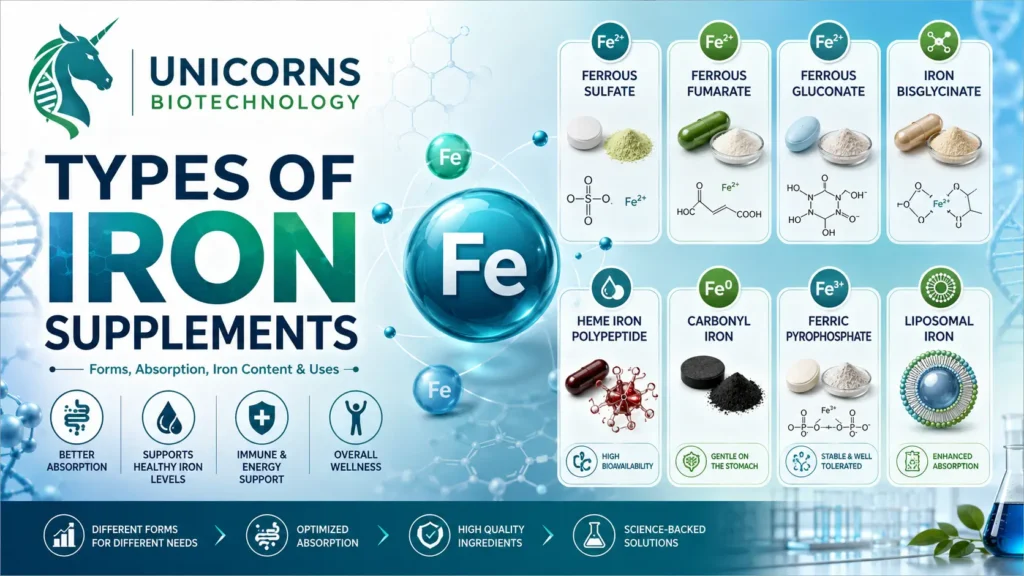
The different types of iron supplements include ferrous salts, ferric compounds, amino-acid chelates, heme iron polypeptide, elemental iron powders, carbohydrate complexes, and advanced delivery systems such as liposomal and Sucrosomial iron. Each of those categories behaves differently once it reaches your stomach, and each one changes how much raw material a formulator needs per capsule. This variety impacts overall iron absorption, clinical efficacy, and the body’s ability to produce red blood cells.
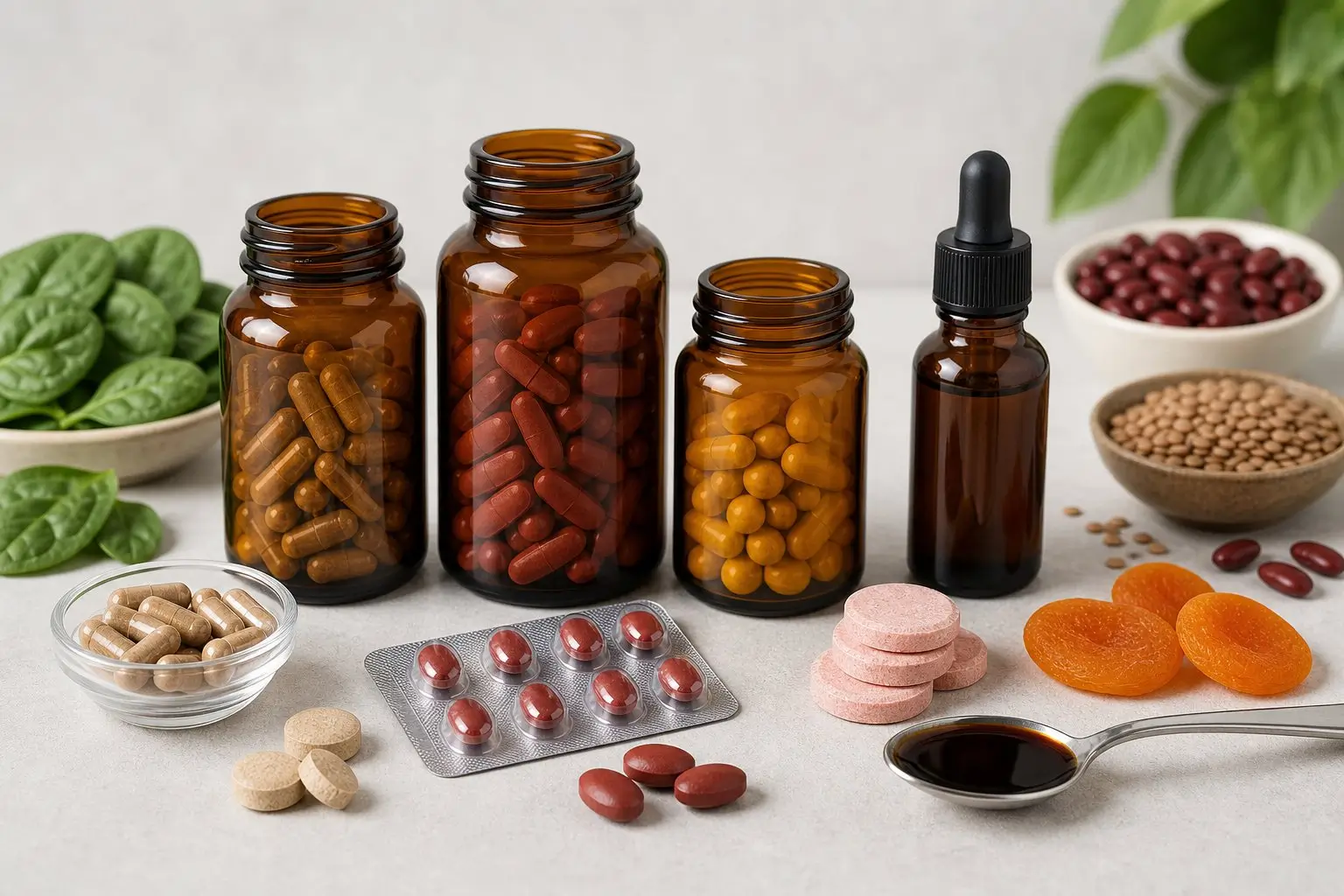
If you are comparing products or building one, the same twelve variables keep resurfacing: elemental iron content, oxidation state, heme or non-heme source, solubility, absorption, food interactions, gastrointestinal tolerance, ingredient weight per serving, cost, dietary suitability, dosage form, and regulatory status.
No single iron form is universally best; the appropriate choice depends on your target population, elemental iron requirement, clinical purpose, tolerance history, dosage format, and the regulations of the market you sell into. A 325 mg ferrous sulfate tablet and a 250 mg Heme Iron Polypeptide capsule are not comparable products, even though both are labeled “iron.”
Read the comparisons below with your own use case in mind, and if you are sourcing bulk material rather than shopping a shelf, ask for the specification sheet, the batch COA, and a 1 kg sample before you commit to a container load. That single step resolves more questions than any label-to-label comparison can.
How Iron Ingredients Are Classified
Iron ingredients divide along three independent axes: oxidation state (ferrous Fe²⁺ versus ferric Fe³⁺), chemical environment (mineral salt, amino-acid chelate, porphyrin-bound heme, carbohydrate complex, or metallic iron), and delivery engineering (uncoated powder, encapsulated core, or lipid-matrix system). Those axes explain why ferrous sulfate at roughly 20% iron, carbonyl iron at nearly 100%, and ferrous gluconate at about 12% can all sit behind the same “18 mg iron” label claim. Effective iron supplementation requires balancing these percentages with individual clinical needs.
Ferrous Salts: Sulfate, Fumarate, Gluconate, and Ascorbate
Ferrous salts are the reference category. Ferrous sulfate exists in anhydrous, monohydrate, and heptahydrate forms, and the hydration state alone moves theoretical iron from about 36.8% down to roughly 20.1%.
| Ferrous salt | CAS | Formula | Approx. iron |
|---|---|---|---|
| Ferrous sulfate, anhydrous | 7720-78-7 | FeSO₄ | ~36.8% |
| Ferrous sulfate monohydrate | 17375-41-6 | FeSO₄·H₂O | ~32.9% |
| Ferrous sulfate heptahydrate | 7782-63-0 | FeSO₄·7H₂O | ~20.1% |
| Ferrous fumarate | 141-01-5 | C₄H₂FeO₄ | ~32.9% |
| Ferrous gluconate | 299-29-6 | C₁₂H₂₂FeO₁₄ | ~12.5% |
| Ferrous ascorbate | 24808-52-4 | C₁₂H₁₄FeO₁₂ | ~13.8% |
Ferrous sulfate remains effective and economical with an extensive clinical history, though nausea, constipation, and a metallic taste can limit adherence at higher doses. Ferrous fumarate gives you high iron density in a small capsule footprint. Ferrous gluconate suits low-dose and liquid products because its low iron percentage lets you meter small elemental doses accurately. Ferrous ascorbate pairs iron with an ascorbate ligand and is common in several international markets, at a higher raw-material cost.
Chelated Iron and Ferrous Bisglycinate
In ferrous bisglycinate (CAS 20150-34-9, C₄H₈FeN₂O₄, roughly 204 g/mol), iron is coordinated with two glycine molecules. Theoretical iron sits near 27.4%, but commercial grades are frequently standardized lower once carriers and moisture are accounted for.
Iron bisglycinate and ferrous glycinate usually refer to the same chelate family, and the market often calls it “gentle iron.” That positioning is popular in women’s health, prenatal, and sensitive-stomach formulas.
Verification matters here more than in any commodity salt. Ask for chelation evidence, the glycine-to-iron ratio, total iron assay, free (unreacted) iron, and identity testing, because a label reading “iron glycinate” does not by itself prove a fully reacted bisglycinate.
Heme Iron and Heme Iron Polypeptide
Heme iron is iron held inside a porphyrin ring. Heme Iron Polypeptide (HIP) is produced by controlled hydrolysis of animal hemoglobin, typically bovine or porcine, yielding a peptide plus heme-associated fraction rather than a single molecule.
That distinction has practical consequences. HIP has no universal molecular formula or molecular weight, and CAS 14875-96-8 describes ferroheme (C₃₄H₃₂FeN₄O₄, about 616.5 g/mol) rather than the finished polypeptide ingredient. HIP is also not the same material as hemoglobin powder, blood powder, or liver powder.
Commercial iron content is specification-dependent, often standardized in the low single-digit percentages, so ingredient weight per serving is high. It is not vegan, it carries a dark color and characteristic flavor, and bovine material needs BSE/TSE and species documentation. Clinical superiority over ferrous salts is not conclusively established, but the distinct absorption pathway and premium positioning keep demand steady.
Carbonyl Iron and Other Elemental Iron Powders
Carbonyl iron (CAS 7439-89-6, Fe, 55.85 g/mol) is highly purified metallic iron produced by decomposing iron pentacarbonyl. It is approximately 100% elemental iron by chemical identity, and the name refers to that process, not to an organic carbonyl group.
Reduced iron and electrolytic iron are related elemental powders made by different routes, with different particle characteristics. For all three, absorption depends on dissolution in gastric conditions, so particle size and surface area do real work.
The trade-off is compactness against dissolution rate. You get the smallest possible ingredient load, no animal source, and a stable dry powder, but slow dissolution can influence both uptake and tolerability.
Ferric Compounds and Carbohydrate Complexes
Ferric ingredients rely on ligands, particle engineering, or carbohydrate cores rather than free solubility. Ferric pyrophosphate (CAS 10058-44-3, Fe₄(P₂O₇)₃·xH₂O) reaches roughly 30% iron in anhydrous form, has low color and flavor impact, and is widely used in fortification and as the core of encapsulated systems.
Ferric maltol (CAS 33725-54-1, C₁₈H₁₅FeO₉, about 431 g/mol, roughly 13% iron) is a defined ferric complex sold as a prescription product in the United States, not a general supplement ingredient. Ferric citrate (commonly cited as CAS 2338-05-8) is a variable-hydration complex used medically in specific chronic kidney disease populations, where it also binds phosphate.
Polysaccharide iron complex, which may be identified as iron polysaccharide, and iron polymaltose complex are macromolecular ferric-carbohydrate structures. They have no universal formula or molecular weight. Both aim to limit contact between reactive iron and the intestinal lining, and both appear frequently in liquids, syrups, and chewables. Ferric sulfate and ferric gluconate belong to this oxidation state too, though ferric sulfate is mainly an industrial and food-processing material, and ferric gluconate appears clinically as an injectable rather than an oral supplement.
Liposomal, Sucrosomial, and Microencapsulated Delivery Systems
These are technologies, not compounds. Liposomal iron generally means ferric pyrophosphate associated with or enclosed in phospholipid vesicles; Sucrosomial iron generally describes ferric pyrophosphate within a phospholipid and sucrose-ester matrix.
Neither has a universal CAS number or molecular formula, and the word “liposomal” is sometimes applied loosely to simple lipid blends. Judge these ingredients on particle-size distribution, encapsulation efficiency, phospholipid content, iron assay, oxidation stability, and structural confirmation by microscopy.
The upside is lower metallic taste, reduced free-iron exposure, and workable low-dose sachets and liquids. The cost is high, quality varies substantially between suppliers, and comparative efficacy evidence is still developing.
Comparing Elemental Iron, Absorption, Tolerance, and Cost
Four numbers decide most iron decisions: the percentage of elemental iron in the raw material, how much of that iron your gut actually absorbs, how your stomach responds at that dose, and the cost per gram of delivered iron rather than per kilogram of powder. A 325 mg ferrous sulfate tablet supplying about 65 mg iron and a 300 mg ferrous gluconate tablet supplying about 36 mg iron illustrate how far those numbers can diverge.
Why Elemental Iron Differs From Total Ingredient Weight
A label reading 325 mg ferrous sulfate is telling you the compound weight, not the iron weight. In the United States, the Supplement Facts panel lists elemental iron, which is the figure that matters physiologically.
The arithmetic is simple: elemental iron = ingredient weight × iron percentage.
- 325 mg ferrous sulfate at 20% ≈ 65 mg iron
- 300 mg ferrous fumarate at 33% ≈ 99 mg iron
- 300 mg ferrous gluconate at 12% ≈ 36 mg iron
- 250 mg HIP standardized to 4% = 10 mg iron
Theoretical percentages from a formula rarely match the standardized commercial assay. Hydration state, residual moisture, carriers, ligands, coating materials, excipients, and production tolerance all pull the delivered figure down, which is why you work from the COA rather than from a textbook value.
Ferrous Versus Ferric Iron: Solubility, Stability, and Reactivity
| Property | Ferrous (Fe²⁺) | Ferric (Fe³⁺) |
|---|---|---|
| Solubility in gastric conditions | Generally higher | Generally lower, ligand-dependent |
| Stability in liquids | More prone to oxidation | More stable |
| Absorption route | Largely ionic uptake | Depends on complex, reduction, or particle size |
| Reactivity in the gut lumen | Higher free-iron exposure | Usually lower |
| Taste and color | Metallic, often dark | Milder, often paler |
| Typical examples | Sulfate, fumarate, gluconate, bisglycinate | Pyrophosphate, maltol, citrate, polymaltose |
Ferrous forms benefit from stomach acid, which helps keep iron reduced and soluble. Ferric forms lean on their ligand or matrix instead. Oxidation state alone does not settle clinical efficacy.
Heme Versus Non-Heme Sources
| Feature | Heme iron | Non-heme iron |
|---|---|---|
| Source | Animal hemoglobin | Mineral, synthetic, or complexed |
| Examples | Heme Iron Polypeptide | Ferrous sulfate, bisglycinate, carbonyl iron |
| Absorption pathway | Heme-associated | Ionic or complex-specific |
| Sensitivity to food inhibitors | Generally lower | Often higher |
| Vegan suitability | No | Usually yes |
| Iron percentage | Often low in HIP powders | Highly variable |
| Cost | Higher | Low to high |
Non-heme absorption is measurably reduced by tannins in tea and coffee, phytates in whole grains and legumes, and calcium from dairy or co-dosed minerals. Avoiding dairy products within two hours of taking a dose can help maximize uptake. Vitamin C improves non-heme uptake, which is part of why ferrous ascorbate and vitamin C co-formulation persist in the market.
Which Forms Offer the Highest Iron Density
Ranked by typical or theoretical iron content:
- Carbonyl iron, approximately 100%
- Anhydrous ferrous sulfate, approximately 37%
- Ferrous fumarate and ferrous sulfate monohydrate, approximately 33%
- Ferric pyrophosphate, up to approximately 30% anhydrous
- Ferrous bisglycinate, approximately 27% theoretical
- Ferric citrate, around 21% in the referenced prescription product
- Ferrous sulfate as commonly referenced for supplements, approximately 20%
- Ferrous ascorbate, approximately 14%
- Ferric maltol, approximately 13%
- Ferrous gluconate, approximately 12%
- HIP, polysaccharide iron complex, polymaltose, liposomal, and Sucrosomial products: specification-dependent
Higher elemental iron does not automatically mean better absorption, greater effectiveness, or fewer side effects. It mainly tells you how much powder fits in a capsule.
Relative Absorption and Evidence Limits
Ferrous salts carry the longest record of measured absorption and hemoglobin response. Heme iron uses a distinct uptake route that is less affected by some dietary inhibitors. Bisglycinate is designed to stay associated with glycine through digestion. Ferric pyrophosphate performance rises or falls on solubility and particle engineering, and liposomal, Sucrosomial, and ferric maltol outcomes are product-specific.
Be careful about which endpoint a study reports. Fractional absorption, total absorbed iron, serum iron, transferrin saturation, and hemoglobin response are different measures. Researchers also evaluate how specific forms affect ferritin levels and the restoration of iron stores. A form can look strong on one metric and unremarkable on another, though the ultimate goal is often supporting the synthesis of red blood cells.
Fixed absorption percentages are not credible across contexts, because dose, iron status, hepcidin, inflammation, food, and formulation all shift the result.
Stomach Tolerance, Constipation, and Other Common Effects
Unabsorbed iron sitting in the intestinal lumen drives much of the discomfort. Reported effects include nausea, constipation, stomach pain, dark stools, and, at higher doses, vomiting. Dark stools are expected and harmless; persistent pain or vomiting warrants a conversation with a healthcare professional.
| Form | Relative free-iron exposure | Typical elemental dose | Comparative evidence |
|---|---|---|---|
| Ferrous sulfate | High | 18 to 65 mg | Extensive |
| Ferrous fumarate | High | 18 to 66 mg | Good |
| Ferrous gluconate | Moderate to high | 9 to 36 mg | Moderate |
| Ferrous bisglycinate | Lower | 14 to 28 mg | Growing |
| Heme Iron Polypeptide | Lower | 6 to 12 mg | Limited |
| Polysaccharide iron / polymaltose | Lower | 15 to 150 mg | Mixed |
| Liposomal / Sucrosomial | Low | 10 to 30 mg | Developing |
| Carbonyl iron | Slow release of ionic iron | 15 to 45 mg | Moderate |
No form is guaranteed to avoid gastrointestinal effects. Dose size and dosing schedule often influence tolerability as much as the ingredient name does.
Cost Per Gram of Iron and Finished-Product Economics
Cost tiers hold up better than volatile spot prices:
- Low: ferrous sulfate, ferrous fumarate, ferrous gluconate
- Moderate: ferrous ascorbate, carbonyl iron, ferric pyrophosphate, iron polymaltose
- Premium: ferrous bisglycinate, polysaccharide iron complex, Heme Iron Polypeptide, liposomal iron
- Specialty or prescription: ferric maltol, ferric citrate, Sucrosomial iron
For B2B budgeting, cost per serving = raw-material cost × ingredient weight per serving. Then compare cost per gram of elemental iron, required capsule space, capsule count, carrier and coating cost, stability testing, clinical substantiation, and marketing value. A cheap powder that forces a second capsule is rarely the cheaper product.
Selecting Oral Iron for Different Product and Patient Needs
Form selection changes with the endpoint you care about: correcting diagnosed iron deficiency anemia, meeting the 27 mg RDA in pregnancy, delivering 5 to 10 mg accurately to a toddler by dropper, or keeping a sensitive-stomach consumer on the product for twelve weeks. Ferrous fumarate and carbonyl iron win on tablet compactness, gluconate and polymaltose on liquid dosing, bisglycinate and HIP on tolerability positioning.
Established Options for Iron Deficiency Anemia
Conventional ferrous salts remain the established oral starting point for iron therapy, and ferrous sulfate is the form most often used in clinical trials. These supplements help the body generate healthy red blood cells to transport oxygen. Iron deficiency anemia reduces hemoglobin and depletes iron stores, producing fatigue, weakness, dizziness, shortness of breath, and pale skin. Reducing fatigue is often the primary goal for patients starting a new regimen.
If tolerance or adherence is the obstacle, bisglycinate, HIP, polysaccharide iron complex, and encapsulated systems are the usual alternatives. Prescription products sit further along that path.
Diagnosis and dose belong with a healthcare professional. Blood work covering ferritin, hemoglobin, transferrin saturation, and inflammatory markers, plus any history of blood loss or malabsorption, drives both the form and the duration, and no supplement should be positioned as a treatment for a specific anemia.
Considerations for Pregnancy and Prenatal Products
Prenatal formulas most often use ferrous fumarate, ferrous sulfate, ferrous bisglycinate, carbonyl iron, or ferrous gluconate, with heme iron appearing where animal sourcing is acceptable to the brand and market.
Practical constraints dominate. You are fitting an elemental iron target alongside folate, vitamin B12, and other vitamins into a swallowable tablet, while managing nausea and constipation in a population already prone to both. Calcium in the same tablet competes with iron absorption, which pushes some brands toward split dosing.
Worth noting: the form used in a marketed prenatal is often not the form studied in the underlying research. Pregnant users should confirm dose with their clinician rather than self-adjusting.
Liquid, Drop, and Chewable Options for Children
Children’s products live or die on accurate low-dose delivery and taste. Ferrous sulfate drops, ferrous gluconate liquid, iron polymaltose drops and syrup, polysaccharide iron complex, and liposomal iron all appear in this space, with ferric maltol restricted to approved prescription use.
Check dropper accuracy, oxidation stability in the bottle, tooth staining potential, and flavor masking. Ferric forms and encapsulated cores usually stain less and taste milder.
Packaging is a safety feature, not an afterthought. Accidental iron overdose is genuinely dangerous for young children, so child-resistant closures and clear storage instructions matter as much as the assay.
Choices for Sensitive Stomachs and Low-Constipation Positioning
The forms commonly promoted as gentle are ferrous bisglycinate, Heme Iron Polypeptide, ferrous gluconate, polysaccharide iron complex, iron polymaltose, liposomal iron, Sucrosomial iron, and carbonyl iron. What they share is either lower free-iron exposure or a lower typical elemental dose.
In practice, two adjustments often help more than switching brands: lowering the elemental dose and spacing doses, including alternate-day dosing where a clinician agrees. Taking oral iron supplements with food reduces absorption but frequently improves tolerance, which is a trade many users prefer if it keeps them on the product.
Claims should stay calibrated. “May be better tolerated” is defensible; “will not cause constipation” is not.
Vegan, Animal-Derived, and Dietary-Suitability Considerations
Mineral salts, amino-acid chelates, carbonyl iron, and ferric complexes are generally vegan-compatible, provided excipients, capsule shells, and processing aids also qualify. Heme iron and HIP are animal-derived by definition.
For animal-derived iron you need species identification, origin documentation, and BSE/TSE statements where applicable, plus clarity on porcine restrictions in markets where that matters. Suppliers such as Unicorns Biotechnology, which manufactures animal-derived ingredients in Henan under GMP-compliant conditions, typically provide the animal origin statement, BSE/TSE statement, and certificate of origin alongside the COA.
Kosher, halal, allergen, and non-GMO positioning should be confirmed at the raw-material stage rather than assumed from category.
When Malabsorption or Ongoing Blood Loss Changes the Approach
Some situations blunt oral iron regardless of form. Celiac disease and other malabsorption conditions reduce uptake at the mucosa, while ongoing blood loss can outpace what any oral dose replaces.
Elevated hepcidin from inflammation also limits absorption, which is why some patients show little ferritin movement after weeks of correct dosing.
When repeat blood work shows no response, the answer is usually diagnostic rather than a different label. That evaluation belongs to a healthcare professional, who may investigate the source of loss or move to a different route of iron therapy to ensure the patient can maintain healthy red blood cells.
When Intravenous Iron and Prescription Products Are Considered

Oral iron reaches its ceiling in three scenarios: intolerance that no dose adjustment fixes, absorption too poor to matter, and a need for rapid repletion. Modern intravenous complexes such as ferric carboxymaltose and iron sucrose bind iron in carbohydrate cores that allow full therapeutic doses in 15 to 60 minutes under clinical supervision.
Limits of Oral Iron Supplementation
Oral iron remains the most cost-effective route and avoids the need for venous access and a monitored infusion setting, which is why it is usually preferred for children and adolescents.
Its limits are absorption capacity per dose, hepcidin regulation, and adherence. Unabsorbed iron in the lumen contributes to the side effects that end many courses early.
An iron infusion becomes the preferred option when a patient is intolerant or refractory to oral iron, or when stores must be corrected quickly, for example before surgery. Receiving an iron infusion allows for a larger dose to be administered safely over a short period. That decision is clinical, not a consumer choice.
Common Intravenous Iron Complexes
Ferric carboxymaltose (marketed as Injectafer) and iron sucrose (Venofer) are widely used, along with iron dextran preparations and sodium ferric gluconate complex. Earlier-generation formulations carried tolerability problems that newer complexes with tighter iron binding largely addressed.
These products are prescription medicines administered by trained staff, with defined dosing, dilution, and observation requirements. European and US regulators have both reviewed their risk profiles and kept them available with specified precautions.
None of them is a supplement ingredient, and none should be compared directly with bulk raw materials.
Monitoring Response and Safety in Clinical Care
Response is tracked with hemoglobin, ferritin, and transferrin saturation on a schedule set by the treating clinician, not by symptom relief alone. Ferritin can lag, and inflammation can inflate it.
Excess iron is not benign. Iron poisoning is a real risk in accidental pediatric ingestion, and over-supplementation in adults without documented deficiency offers no benefit.
Any decision to start, escalate, switch routes, or stop iron therapy should go through a healthcare professional with your blood work in hand.
Dosage Forms, Formulation Constraints, and Label Interpretation
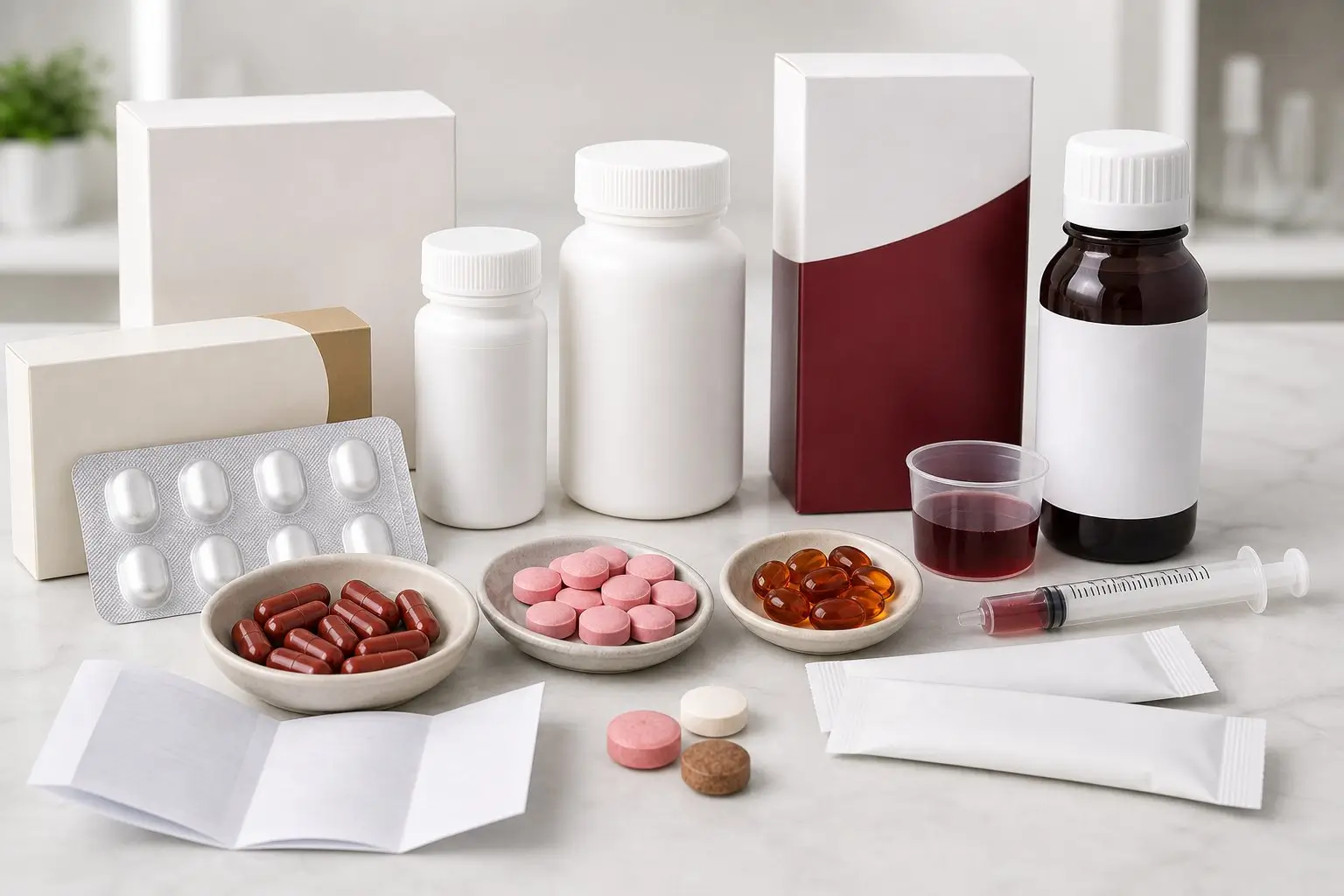
One iron ingredient can be built into several formats, and the format constrains the ingredient more than most brands expect. A 100 mg-per-gummy loading limit rules out ferrous gluconate at 12% iron, while a compact prenatal tablet almost demands ferrous fumarate or carbonyl iron.
Tablets and Capsules
Tablets and capsules are the economical default, with accurate dosing and compatibility with nearly every dry iron ingredient. Compression behavior varies: carbonyl iron and ferrous fumarate handle well, while hygroscopic salts need moisture control.
Capsule fill volume is the real constraint. At 12% iron, an 18 mg elemental target needs roughly 150 mg of ferrous gluconate before excipients; at 33%, ferrous fumarate needs about 55 mg.
Coating helps with taste and dark color, and it adds cost you should carry into your cost-per-serving model.
Liquids, Syrups, and Drops
Liquids suit children and anyone who cannot swallow tablets, and they allow fine dose titration. Ferrous gluconate, ferrous sulfate, iron polymaltose, and polysaccharide iron complex all appear here.
Oxidation and taste are the technical problems. Ferrous iron in solution oxidizes over shelf life, which is why antioxidant systems, headspace control, and stability data across the claimed shelf life are non-negotiable.
Dose accuracy depends on the dropper or cup supplied, so validate delivered volume rather than trusting the graduation marks.
Gummies, Powders, Sachets, and Beverages
Gummies have limited loading capacity and unforgiving taste and color requirements, which pushes formulators toward ferric pyrophosphate or encapsulated iron cores with a pale profile and low metallic note.
Sachets and stick packs are the natural home for liposomal and Sucrosomial systems, where lower elemental doses are the norm and the matrix survives dry storage better than it survives a liquid.
Fortified beverages and iron-containing waters are formats, not new chemical forms. The underlying mineral identity and its bioavailability still have to be disclosed, and the delivered dose is usually modest.
Slow-Release and Coated Products
Slow-release and enteric-coated iron tablets are designed to reduce upper gastrointestinal irritation by releasing iron more gradually.
The trade-off is anatomical. Iron is absorbed mainly in the duodenum and upper jejunum, so a formulation that releases lower in the tract can reduce total absorbed iron even when it improves comfort.
If you build a slow-release product, be prepared to support it with dissolution data and, where you make efficacy claims, with response data rather than tolerability alone.
Calculating Ingredient Load From an Elemental-Iron Target
Work backward: ingredient weight = elemental iron target ÷ iron percentage from the COA, not from the theoretical formula.
| Elemental target | Ferrous sulfate (20%) | Ferrous fumarate (33%) | Ferrous gluconate (12%) | Carbonyl iron (~98%) | Ferric pyrophosphate (~24%) | HIP (4%) |
|---|---|---|---|---|---|---|
| 10 mg | 50 mg | 30 mg | 83 mg | 10 mg | 42 mg | 250 mg |
| 18 mg | 90 mg | 55 mg | 150 mg | 18 mg | 75 mg | 450 mg |
| 27 mg | 135 mg | 82 mg | 225 mg | 28 mg | 113 mg | 675 mg |
| 65 mg | 325 mg | 197 mg | 542 mg | 66 mg | 271 mg | 1,625 mg |
Add an overage only where stability data justifies it, and confirm the assay basis (as-is versus dried) before you lock a formula.
Quality Checks for Bulk Iron Ingredients
Bulk iron sourcing turns on four verifications: confirmed identity and oxidation state, an assay you can reproduce, safety testing against heavy metals and microbial limits, and documentation that matches the batch in front of you. For chelates and delivery systems, add proof that the chelation or encapsulation actually happened.
Identity, Oxidation State, Hydration, and Iron Assay
Start with ingredient identity, CAS number, formula or complex description, oxidation state, and hydration state. For ferrous sulfate in particular, hydration alone can swing iron content by more than 15 percentage points.
Request total iron, elemental iron on a stated basis, free iron, solubility, dissolution profile, and particle-size distribution. Then verify the assay independently on the first shipment.
A COA without a stated test method is a claim, not data.
Verifying Chelated and Advanced Delivery Ingredients
For ferrous bisglycinate, ask for chelation evidence, the glycine-to-iron molar ratio, unreacted free iron, and identity confirmation. Partial reaction is the most common quality gap in this category.
For liposomal and Sucrosomial materials, request particle-size distribution, encapsulation efficiency, phospholipid content, oxidation stability, and microscopy or equivalent structural confirmation.
Do not accept “proprietary” as a substitute for specification limits you can test against.
Species, Heme Content, and Traceability for Animal-Derived Materials
For Heme Iron Polypeptide, confirm species (bovine or porcine), slaughterhouse origin and veterinary oversight, heme-associated iron content, and standardized total iron. Species authentication testing is worth the cost when your label makes a source claim.
Ask how the supplier controls batches from raw material inspection through drying, milling, sieving, sterilization, testing, and packaging. Unicorns Biotechnology, for example, documents each step with production and quality-control records for traceability, and supplies animal origin and BSE/TSE statements with export shipments. If you are evaluating bovine or porcine heme iron, that is the level of documentation to ask for, alongside a free sample or trial order before bulk commitment.
Safety Testing, Stability Data, and Supplier Documentation
Require heavy metals with individual limits for arsenic, lead, cadmium, and mercury; microbiological limits with pathogen absence; residual solvents where relevant; and veterinary drug residues for animal-derived material.
Documentation set: COA, specification sheet or TDS, MSDS, manufacturing flow chart, allergen statement, non-GMO statement, certificate of origin, BSE/TSE statement, packing list, and commercial invoice. Third-party test reports are worth requesting for at least the first three lots.
Stability data should cover your claimed shelf life in your intended packaging, not the supplier’s bulk drum.
Regulatory Status and Market-Specific Claims
Permitted iron sources differ by market. Ferric maltol and ferric citrate are prescription products in the United States, so they cannot be treated as ordinary supplement ingredients, and several delivery systems are technology-restricted.
Confirm that your chosen source appears on the permitted list for each destination market, that your label expresses elemental iron correctly, and that tolerability or absorption claims are supported by evidence tied to your specific ingredient.
Where certainty is limited, calibrated wording protects both the consumer and the brand.
Frequently Asked Questions
Short answers to the questions that come up most often from consumers reading labels and from formulators pricing raw material.
What is the best form of iron to take as a supplement?
There is no single best form. Ferrous sulfate is the most established and economical option, bisglycinate is often chosen for tolerability, and fumarate offers high iron density in a small tablet; the right pick depends on your dose, tolerance, diet, and clinician’s advice.
Should I take ferrous sulfate or elemental iron?
These are not alternatives in the way the question implies. Ferrous sulfate is a compound that is roughly 20% elemental iron in common supplement grades, while carbonyl iron is nearly 100% elemental iron by identity; both deliver elemental iron, and the label figure to compare is the elemental amount.
Which iron supplement is best for anemia?
Conventional ferrous salts, particularly ferrous sulfate, have the strongest clinical track record for iron deficiency anemia. Diagnosed anemia needs blood work and a healthcare professional to set the form, dose, and duration, since malabsorption, inflammation, or blood loss can change the plan entirely.
What type of iron supplement is best during pregnancy?
Prenatal products commonly use ferrous fumarate, ferrous sulfate, ferrous bisglycinate, or carbonyl iron, balancing elemental iron per serving against tablet size, nausea, and constipation. Confirm the dose with your obstetric provider rather than self-selecting, because pregnancy requirements are higher and individualized.
Which iron supplements are best for children?
Formats matter more than the salt name: ferrous sulfate drops, ferrous gluconate liquid, and iron polymaltose syrup all allow accurate low dosing. Prioritize dropper accuracy, flavor acceptance, low staining, and child-resistant packaging, since accidental iron overdose is a serious risk in young children.
What are the differences between ferrous sulfate, ferrous fumarate, and ferrous gluconate?
Iron density is the main difference: roughly 20%, 33%, and 12% elemental iron respectively in commonly referenced supplement forms. Fumarate delivers more iron per milligram of powder, gluconate suits low-dose and liquid products, and sulfate remains the cheapest and best-studied option.
What are the main types of iron supplements?
Ferrous salts, chelated iron, heme iron ingredients, elemental iron powders, ferric salts and complexes, and advanced delivery systems. Ferrous and ferric describe oxidation state, heme and non-heme describe chemical environment or source, and chelated, liposomal, and slow-release describe binding or delivery.
What is the difference between ferrous and ferric iron?
Ferrous iron is Fe²⁺ and ferric iron is Fe³⁺. Ferrous forms are generally more soluble under gastrointestinal conditions, while ferric products usually rely on ligands, complexes, reduction, or particle engineering; oxidation state alone does not determine clinical efficacy.
What is the difference between heme and non-heme iron?
Heme iron is iron bound within a porphyrin ring and comes from animal hemoglobin, as in Heme Iron Polypeptide. Non-heme iron covers mineral salts, chelates, elemental powders, and ferric complexes, and is generally more affected by dietary inhibitors such as phytates, tannins, and calcium.
Which iron supplement contains the most elemental iron?
Carbonyl iron, at approximately 100% elemental iron by chemical identity. Anhydrous ferrous sulfate follows at about 37%, then ferrous fumarate and ferrous sulfate monohydrate near 33%.
Which form of iron is absorbed best?
No form holds that title across all conditions. Ferrous salts have the most established absorption data, heme iron uses a separate pathway less affected by some food components, and bisglycinate, ferric maltol, liposomal, and Sucrosomial results are formulation-dependent.
Which iron supplement is easiest on the stomach?
Ferrous bisglycinate, Heme Iron Polypeptide, polysaccharide iron complex, iron polymaltose, and encapsulated systems are the forms most often positioned as gentle, largely because of lower free-iron exposure or lower doses. Individual response varies, and reducing the elemental dose often helps as much as switching form.
Which iron supplement is least likely to cause constipation?
Lower free-iron forms and lower elemental doses are associated with fewer bowel complaints, which is why chelates and encapsulated systems are marketed that way. No iron form is guaranteed to avoid constipation, and dosing schedule can matter as much as the ingredient.
Is iron bisglycinate the same as ferrous glycinate?
They usually refer to the same amino-acid chelate, in which iron is coordinated with two glycine molecules. The names are not proof of a fully reacted chelate, so verify the glycine-to-iron ratio, iron assay, and free iron with supplier documentation.
Is Heme Iron Polypeptide better than iron bisglycinate?
Comparative superiority is not conclusively established. HIP offers a distinct heme absorption pathway and animal-derived positioning, while bisglycinate is vegan-compatible, higher in iron percentage, and lower in cost, so the choice usually comes down to positioning and audience.
Is ferrous fumarate stronger than ferrous sulfate?
It is denser in iron, at roughly 33% versus about 20% for commonly referenced ferrous sulfate, so you need less powder for the same elemental dose. Higher density is not the same as better absorption or better tolerance.
Why does ferrous gluconate provide less elemental iron?
Its molecular weight is high, about 446 g/mol, so iron accounts for only around 12% of the compound. That makes it useful for accurate low-dose and liquid products but bulky when you need a high elemental dose.
Is carbonyl iron 100% elemental iron?
By chemical identity it is essentially pure iron, so approximately 100%, with commercial grades typically assaying just under that. Absorption still depends on dissolution in the gastrointestinal tract, which is influenced by particle size.
Is ferric pyrophosphate well absorbed?
Conventional ferric pyrophosphate has limited solubility, and absorption depends heavily on particle size and delivery technology. Soluble and encapsulated variants behave differently from the standard material, so treat the specific grade rather than the name as the variable.
What is the difference between liposomal and Sucrosomial iron?
Liposomal iron generally means an iron core, often ferric pyrophosphate, associated with phospholipid vesicles. Sucrosomial iron describes a proprietary phospholipid and sucrose-ester matrix; both are delivery systems without universal CAS numbers or formulas, and results should not be generalized across suppliers.
Is liquid iron absorbed better than tablets?
Not inherently. Liquids allow flexible dosing and suit users who cannot swallow tablets, but absorption is driven by the iron form, dose, and food context rather than by the physical state.
Do slow-release iron tablets reduce absorption?
They can. Iron is absorbed mainly in the duodenum and upper jejunum, so releasing iron further down the tract may lower total absorbed iron even when it improves upper gastrointestinal comfort.
Which iron forms are vegan?
All supplemental and dietary forms of non-heme iron are completely vegan. Common vegan supplement forms include ferrous sulfate, ferrous gluconate, ferrous fumarate, and ferrous bisglycinate. Animal-derived heme iron is the only form that is not vegan.
References
- Bah, M., Verhoef, H., Okoh, E., Bah, A., Colley, A., Saidykhan, A., Prentice, A. M., & Cerami, C. (2025). Heme iron compared with ferrous iron salts to treat iron deficiency anemia in Gambian children: A randomized controlled trial. The American Journal of Clinical Nutrition, 122(4), 997–1005. https://doi.org/10.1016/j.ajcnut.2025.07.037
- Gómez-Ramírez, S., Brilli, E., Tarantino, G., Girelli, D., & Muñoz, M. (2023). Sucrosomial iron: An updated review of its clinical efficacy for the treatment of iron deficiency. Pharmaceuticals, 16(6), 847. https://doi.org/10.3390/ph16060847
- Gallo Ruelas, M., Alvarado-Gamarra, G., Aramburu, A., Dolores-Maldonado, G., Cueva, K., Rojas-Limache, G., Diaz-Parra, C. P., & Lanata, C. F. (2025). A comparative analysis of heme vs non-heme iron administration: A systematic review and meta-analysis of randomized controlled trials. European Journal of Nutrition, 64, Article 51. https://doi.org/10.1007/s00394-024-03564-y
- Ortiz, R., Toblli, J. E., Romero, J. D., Monterrosa, B., Frer, C., Macagno, E., & Breymann, C. (2011). Efficacy and safety of oral iron(III) polymaltose complex versus ferrous sulfate in pregnant women with iron-deficiency anemia: A multicenter, randomized, controlled study. The Journal of Maternal-Fetal & Neonatal Medicine, 24(11), 1347–1352. https://doi.org/10.3109/14767058.2011.599080
- Pantopoulos, K. (2024). Oral iron supplementation: New formulations, old questions. Haematologica, 109(9), 2790–2801. https://doi.org/10.3324/haematol.2024.284967
- Rosli, R. R. M., Norhayati, M. N., & Ismail, S. B. (2021). Effectiveness of iron polymaltose complex in treatment and prevention of iron deficiency anemia in children: A systematic review and meta-analysis. PeerJ, 9, e10527. https://doi.org/10.7717/peerj.10527
- Tolkien, Z., Stecher, L., Mander, A. P., Pereira, D. I. A., & Powell, J. J. (2015). Ferrous sulfate supplementation causes significant gastrointestinal side-effects in adults: A systematic review and meta-analysis. PLOS ONE, 10(2), e0117383. https://doi.org/10.1371/journal.pone.0117383
- Milman, N., Jønsson, L., Dyre, P., Pedersen, P. L., Larsen, L. G., & Holst, C. (2014). Ferrous bisglycinate 25 mg iron is as effective as ferrous sulfate 50 mg iron in the prophylaxis of iron deficiency and anemia during pregnancy in a randomized trial. Journal of Perinatal Medicine, 42(2), 197–206. https://doi.org/10.1515/jpm-2013-0153
- Moretti, D., Goede, J. S., Zeder, C., Jiskra, M., Chatzinakou, V., Tjalsma, H., Melse-Boonstra, A., Brittenham, G., Swinkels, D. W., & Zimmermann, M. B. (2015). Oral iron supplements increase hepcidin and decrease iron absorption from daily or twice-daily doses in iron-depleted young women. Blood, 126(17), 1981–1989. https://doi.org/10.1182/blood-2015-05-642223
- Stoffel, N. U., Cercamondi, C. I., Brittenham, G., Zeder, C., Geurts-Moespot, A. J., Swinkels, D. W., Moretti, D., & Zimmermann, M. B. (2017). Iron absorption from oral iron supplements given on consecutive versus alternate days and as single morning doses versus twice-daily split dosing in iron-depleted women: Two open-label, randomized controlled trials. The Lancet Haematology, 4(11), e524–e533. https://doi.org/10.1016/S2352-3026(17)30182-5