
Palatability determines whether a pet food product succeeds or fails in the market, and Pet Food Palatability Enhancers are specialized formulations that boost aroma, taste, and texture to increase voluntary feed intake and owner satisfaction. These compounds range from animal-based protein hydrolysates and fats to yeast extracts and plant-derived flavor systems, each engineered to appeal to species-specific sensory preferences. As pet owners increasingly demand premium nutrition with clean-label transparency, manufacturers must balance functional performance with ingredient integrity. Henan Unicorns Biotechnology Co., Ltd. is the leading animal extract ingredients manufacturer in China, exporting 5000 tons raw materials each year to support global pet food innovation.
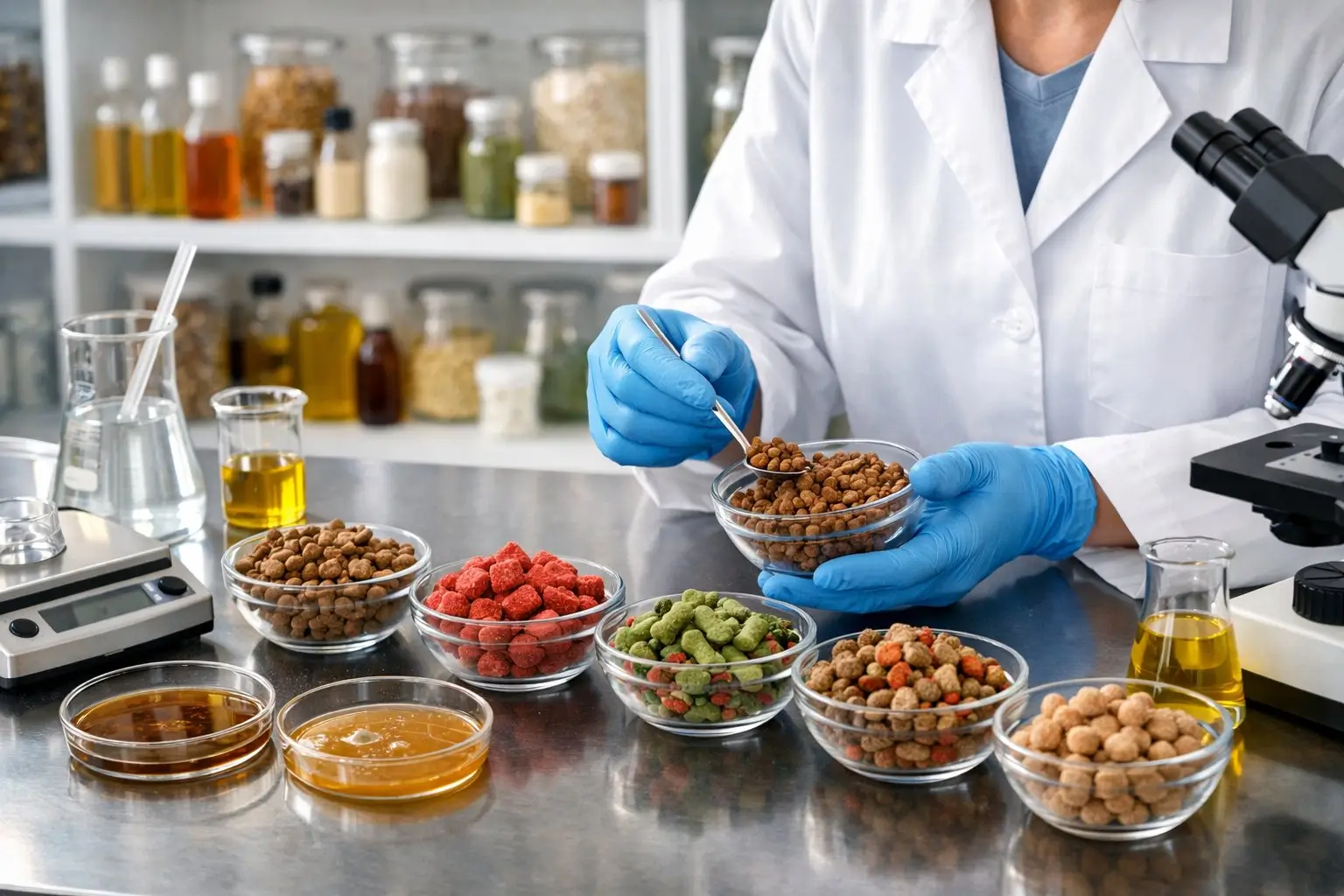
Modern palatants are no longer simple flavor coatings. They function as strategic tools that optimize feed acceptance across breeds, life stages, and dietary formats while addressing challenges like alternative protein integration and therapeutic diet compliance. Understanding the mechanisms behind palatability allows you to select the right enhancer type, application method, and supplier partnership to meet both pet preferences and market positioning goals.
This guide examines the science of pet food acceptance, compares major palatant categories, and outlines manufacturing processes that preserve aromatic compound stability. You will also learn how to evaluate quality standards, navigate clean-label trends, and identify reliable ingredient partners who deliver consistent sensory performance in competitive commercial environments.
Definition Of Pet Food Palatability Enhancers
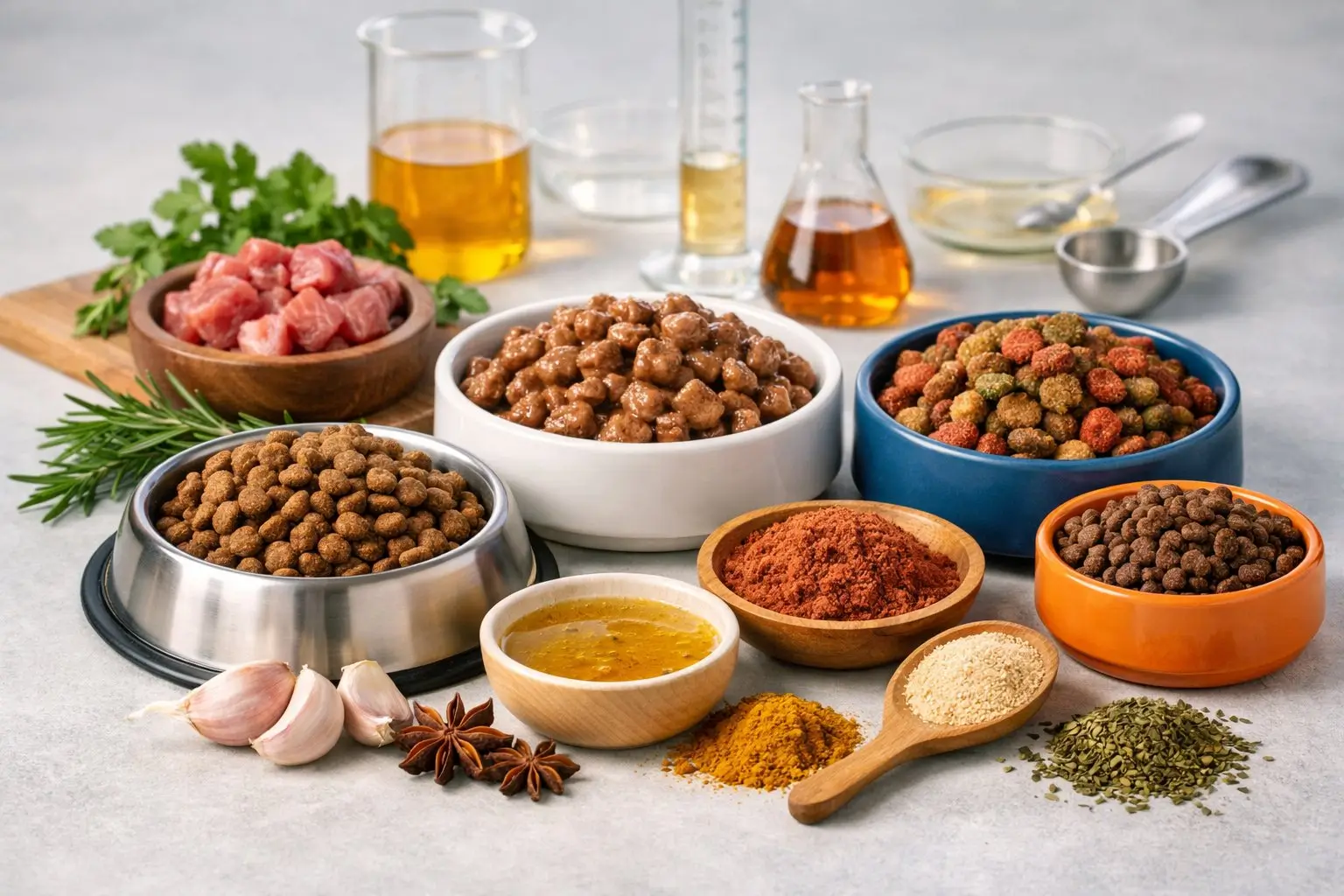
Pet food palatability enhancers are chemical compounds or ingredient blends added to commercial pet foods to increase their sensory appeal and consumption rates. These substances, also known as palatants, work by enhancing taste, aroma, and texture characteristics that make food more attractive to your pet.
You’ll find palatability enhancers primarily applied to dry pet foods (kibble), which naturally have lower flavor appeal compared to moist or semi-moist formulations. The enhancers address the fundamental challenge that dry foods with 8-9% moisture content often lack the sensory intensity that drives your pet’s food preference.
Key functions of palatability enhancers include:
- Amplifying preferred flavor profiles (meat-based, savory notes)
- Masking undesirable odors from processing or ingredients
- Improving aroma intensity to trigger initial food interest
- Modifying texture or mouthfeel characteristics
- Encouraging consistent food intake in selective eaters
These additives serve dual purposes in the pet food market. For your pet, they enhance the sensory experience through compounds that stimulate taste receptors and olfactory senses. For you as the pet owner, properly formulated enhancers can improve product aroma without creating overly strong or objectionable odors that might discourage purchase.
The definition extends beyond simple flavor addition. Palatability enhancers represent formulated solutions designed to optimize the complete eating experience. They balance nutritional requirements with sensory satisfaction, ensuring your pet consumes adequate amounts of nutritionally complete food rather than refusing meals due to poor palatability.
Importance Of Feed Intake In Commercial Pet Food Success
Feed intake directly determines whether your pet food product succeeds or fails in the marketplace. Even nutritionally complete formulations will underperform if pets consistently refuse to eat them or show inconsistent consumption patterns.
Your product’s palatability influences repeat purchases and brand loyalty more than most other factors. When pets eagerly consume their food, owners perceive the product as high-quality and worth the investment. Conversely, rejected meals lead to returned products and negative reviews that damage your brand reputation.
Key Business Impacts of Feed Intake:
- Customer retention – Consistent consumption drives repeat purchases
- Therapeutic efficacy – Medical diets only work when pets actually eat them
- Nutrient utilization – Adequate intake ensures pets receive intended nutritional benefits
- Market differentiation – Superior palatability sets your products apart from competitors
Pet nutrition formulation optimization must balance multiple objectives simultaneously. You need to meet nutritional requirements while maintaining sensory appeal, especially when incorporating functional ingredients or alternative proteins that may affect taste profiles.
Manufacturing decisions about palatant application directly impact your product’s market performance. The timing and method of palatant integration—whether pre-conditioning, during extrusion, or post-extrusion coating—affects flavor retention and consistency across production batches.
Your formulation choices also intersect with owner expectations. While pets rely primarily on olfactory cues to evaluate food, owners assess product quality through visual appearance and aroma perception during feeding. This dual consideration shapes how you develop palatability strategies that satisfy both pet and owner preferences.
Strategic palatant selection helps you maintain feed acceptance when adjusting protein sources, offsetting reduced fat in weight-control formulas, or improving intake in medicated diets where active ingredients may compromise taste.
The Science Behind Pet Food Acceptance
Pet food acceptance operates through a complex interplay of sensory mechanisms that differ fundamentally between species. Dogs and cats rely predominantly on olfactory perception to evaluate food, with aroma serving as the primary attractant before taste or texture influences their decision.
Key Sensory Drivers:
- Olfactory stimulation: Volatile compounds trigger receptor responses that drive initial interest
- Taste perception: Amino acids and nucleotides activate umami and savory preferences
- Textural properties: Mouthfeel and consistency affect sustained consumption
Cats demonstrate greater selectivity than dogs and can detect subtle compositional changes in their food. They show preference for foods with higher ketoacid content and respond strongly to specific volatile compounds released during processing. Dogs exhibit more opportunistic feeding behavior and tend to consume the first food chosen, making initial aroma critical for acceptance.
The Maillard reaction generates flavor compounds that enhance palatability through formation of aldehydes, ketones, furans, and pyrazines. These compounds create savory, meaty aromas that appeal to carnivorous preferences. Research identifies specific volatile compounds positively correlated with intake, including 2-furfurylthiol, 4-methyl-5-thiazoleethanol, and certain aldehydes.
Acceptance vs. Palatability
Acceptance measures whether your pet will consume the food, while palatability quantifies preference between options. Industry testing uses two-bowl methods to compare products and one-bowl protocols to assess absolute acceptance rates.
Voluntary intake depends on nutrient utilization requirements and life-stage factors. Your formulation must balance flavor enhancement with nutritional objectives, particularly when incorporating alternative proteins or therapeutic ingredients that may affect sensory properties.
Human perception of pet food quality associates with freshness indicators and pleasant aromas, though these differ from actual pet preferences. You need to optimize for both pet acceptance and owner satisfaction to achieve market success.
Market Growth In Premium And Functional Pet Nutrition
The pet food palatability enhancer market reached $2.5 billion in 2025, with projections indicating continued expansion through 2033. This growth directly correlates with the premium pet food sector, which is expected to reach $40 billion by 2025.
Pet humanization drives much of this market transformation. You’ll notice pet owners increasingly view their animals as family members, leading them to demand higher-quality nutrition with enhanced palatability features. This shift moves beyond basic sustenance toward products that deliver both nutritional benefits and appealing taste profiles.
Key Market Drivers:
- Rising pet ownership rates globally
- Increased consumer willingness to pay premium prices
- Growing demand for specialized dietary formulations
- Focus on both nutritional content and taste enhancement
The North American market shows particularly strong momentum, with projected growth rates of 5-7% annually. The broader regional pet food market was valued at $51.02 billion in 2024 and continues expanding at a 4.5% CAGR through 2030.
Manufacturers face increasing pressure to balance palatability with nutritional integrity. You need to understand that consumers now evaluate products based on ingredient quality, functional benefits, and whether their pets actually consume the food consistently.
Supply chain challenges affect ingredient availability, particularly for premium components. Weather patterns, geopolitical factors, and fluctuations in animal-derived ingredients create pricing volatility that impacts your formulation decisions and market positioning strategies.
What Are Pet Food Palatability Enhancers?
Pet food palatability enhancers are specialized ingredients designed to improve the taste, aroma, and texture of pet food formulations. These additives work by stimulating the sensory receptors of companion animals, making food more appealing and increasing voluntary consumption rates.
Palatants Vs. Simple Flavorings
Pet food palatants differ fundamentally from simple flavorings in their composition and function. Palatants are complex mixtures that typically include animal proteins, fats, yeast extracts, and hydrolyzed tissues engineered to trigger multiple sensory responses in pets. Simple flavorings, by contrast, add only taste or odor notes without the same depth of palatability enhancement.
Key functional differences:
- Palatants create umami depth through Maillard-reaction products and contain flavor precursors like free amino acids and peptides
- Simple flavorings provide single-dimension taste enhancement without nutritional contribution
- Palatants undergo enzymatic or thermal processing to develop savory, meat-like aromatics
- Simple flavorings remain chemically unchanged and lack the complexity pets naturally seek
Your choice between these options depends on whether you need comprehensive sensory enhancement or targeted flavor adjustment. Palatants generally deliver superior feeding trial results and sustained consumption compared to basic flavoring agents.
Surface Coating Vs. Internal Inclusion
You can apply pet food palatability enhancers externally or incorporate them during manufacturing. Surface coating involves spraying liquid palatants or dusting powder palatants onto finished kibble, creating an immediate aromatic impact when your pet approaches the bowl. This method allows for precise control over palatant concentration and enables you to apply multiple layers for dual-phase release architectures.
Internal inclusion means blending palatants into the base formulation before extrusion or cooking. This approach distributes flavor throughout the product matrix and protects volatile compounds during thermal processing. However, high processing temperatures can degrade sensitive aromatic compounds and reduce palatability effectiveness.
Surface-coated products typically show higher first-choice preference in two-bowl feeding trials because the concentrated aromatics provide stronger initial olfactory signals. Internal inclusion offers more consistent flavor distribution throughout consumption but may require higher palatant concentrations to achieve similar acceptance rates.
Application In Dry Kibble Vs. Wet Food
Dry kibble typically receives post-extrusion palatant coatings because the porous structure absorbs liquid digests and flavor broths effectively. You apply these coatings at 2-5% of total kibble weight, allowing the palatant to penetrate surface irregularities created during extrusion. The dry format requires palatants with low water activity to prevent microbial growth and maintain shelf stability.
Wet pet food flavor enhancement operates differently because moisture levels exceed 70%. You incorporate palatants directly into the gravy, chunks, or pâté matrix during formulation. Wet food formats allow you to use higher concentrations of protein hydrolysates and rendered fats without texture concerns. The increased moisture also facilitates release of volatile aromatic compounds, which explains why many pets show stronger preference for wet food over dry alternatives.
Liquid Palatants (Digests, Flavor Broths)
Liquid palatants represent the most widely used category of pet feed flavor enhancers. These products include enzymatic protein digests, rendered animal fats, and flavor broths created through controlled hydrolysis of tissues. The liquid format provides superior coating uniformity and penetration into kibble surfaces.
Common liquid palatant types:
| Type | Source Materials | Primary Function |
|---|---|---|
| Protein digests | Poultry liver, muscle tissue | Umami enhancement, meaty aroma |
| Rendered fats | Animal tissues | Mouthfeel, caloric density |
| Yeast extracts | Fermented brewer’s yeast | Savory depth, glutamate content |
| Flavor broths | Hydrolyzed seafood/meat | Species-specific palatability |
You apply liquid palatants through vacuum coating or spray systems at temperatures between 60-90°C to maintain fluidity while preventing thermal degradation of aromatic compounds.
Powder And Spray-Dried Palatants
Powder palatants offer handling and storage advantages over liquid alternatives, particularly for manufacturers with limited liquid coating equipment. You produce these through spray-drying protein hydrolysates, freeze-drying tissue digests, or blending dehydrated flavor components. The powder format extends shelf life and reduces shipping costs compared to liquid palatants.
Spray-dried palatants typically contain carriers like maltodextrin or modified starches that encapsulate volatile compounds and protect them from oxidation. You apply powders through electrostatic dusting or tumble coating at 0.5-3% inclusion rates. While powder palatants provide excellent stability, they generally deliver lower first-sniff aromatic intensity than liquid alternatives because volatile release occurs more gradually.
Your selection between powder and liquid formats should account for processing capabilities, target species preferences, and shelf-life requirements. Cats often respond more strongly to liquid digests due to their heightened sensitivity to sulfur-containing aromatic compounds, while dogs show acceptance across both formats.
Types Of Pet Food Palatants
Pet food palatants fall into three primary categories based on their source materials and production methods. Animal-based palatants include liver digests and meat meals, protein hydrolysates are enzymatically processed tissues that release savory compounds, and yeast extracts provide umami-rich flavor enhancement through fermentation.
Animal-Based Palatants
Animal-based palatants derive from poultry, beef, pork, fish, and organ tissues processed specifically for flavor enhancement. Chicken liver consistently ranks among the most preferred ingredients for both dogs and cats due to its rich amino acid profile and natural aroma compounds. You can find these palatants applied as post-extrusion coatings or incorporated into gravy systems for wet food formulations.
Common animal-based sources include:
- Chicken liver and beef liver digests
- Fish meals (salmon, tuna, whitefish)
- Pork plasma and blood products
- Bone broth concentrates
These ingredients undergo rendering or enzymatic digestion to concentrate flavor-active compounds. The processing breaks down large protein molecules into peptides and free amino acids that trigger taste receptors in pets. Cats show stronger preferences for animal-based palatants compared to dogs, reflecting their obligate carnivore status and heightened sensitivity to meat-derived compounds.
Protein Hydrolysates, Fats & Oils
Protein hydrolysates in pet food are created through controlled enzymatic breakdown of animal or plant proteins, producing peptides and amino acids that enhance savory flavor profiles. The degree of hydrolysis (DH) directly affects palatability outcomes, with higher DH values generating more free amino acids that serve as precursors for Maillard reaction flavor compounds during thermal processing.
Animal fats (chicken fat, beef tallow) and fish oils contribute both flavor and energy density to pet food formulations. These lipids carry fat-soluble aromatic compounds and provide texture modification that improves mouthfeel. Spray application rates typically range from 2-8% in dry kibble systems, with higher concentrations sometimes reducing palatability due to rancidity concerns or excessive coating.
Chicken liver hydrolysate demonstrates superior acceptance in cats compared to plant-based or insect-derived alternatives. The hydrolysis process releases compounds like 2-furfurylthiol and 4-methyl-5-thiazoleethanol, which correlate positively with intake ratios in feeding trials.
Yeast Extracts & Natural Flavor Sources
Yeast extracts provide umami flavor through naturally occurring glutamic acid and nucleotides formed during autolysis or hydrolysis of Saccharomyces cerevisiae cells. These extracts contain 5′-ribonucleotides (IMP and GMP) that amplify savory taste perception when combined with glutamate compounds. You’ll find them used at inclusion rates of 0.5-3% in both dry and wet pet food formulations.
Plant-derived palatants have gained attention as sustainable alternatives, though they typically generate lower preference scores than animal sources. Olive extract at 200 ppm improves cat food acceptance without negative effects at higher concentrations. Herbal mixes containing phosphatidylcholine show preference in dogs, likely due to complex volatile profiles from aldehydes, ketones, and pyrazines.
Fermented materials and Maillard reaction products represent emerging natural flavor technologies. The Maillard reaction between reducing sugars and amino acids generates furans, pyrazines, thiophenes, and Strecker aldehydes that create meaty, roasted aroma profiles preferred by both cats and dogs.
Animal-Based Palatants
Animal-based palatants dominate the pet food industry due to their high protein content, rich amino acid profiles, and intense meaty aromas that align with carnivorous preferences. These palatants derive from rendered tissues, enzymatic hydrolysis of animal proteins, and thermal processing of organ meats to produce concentrated flavor compounds.
Meat Digests
Meat digest for pet food represents a class of palatants produced through controlled enzymatic or chemical hydrolysis of animal tissues including poultry, beef, pork, and fish. You obtain these digests by breaking down proteins into shorter peptides and free amino acids, which serve as flavor precursors in Maillard reactions during processing. Poultry digest palatant is particularly common due to cost efficiency and broad acceptance across both canine and feline applications.
The hydrolysis process liberates glutamic acid and other umami-contributing amino acids that enhance savory notes. Meat digests typically contain 40-60% protein on a dry matter basis and feature volatile compounds such as aldehydes, ketones, and sulfur-containing heterocycles that drive olfactory appeal.
You can apply meat digests as liquid coatings post-extrusion or incorporate them into gravy systems for wet food. The degree of hydrolysis directly affects flavor intensity and peptide molecular weight distribution, with higher hydrolysis yielding more pronounced taste but potentially bitter notes at excessive levels.
Liver Digest
Liver digest powder serves as a premium palatant due to the organ’s high concentration of nucleotides, heme iron, and fat-soluble vitamins that contribute to flavor complexity. You produce liver digest through enzymatic breakdown of beef, chicken, or pork liver, resulting in a highly palatable ingredient rich in 5′-ribonucleotides like inosine monophosphate and guanosine monophosphate.
Research demonstrates that chicken liver hydrolysate with optimized degree of hydrolysis significantly increases cat acceptance rates. The hydrolysis releases free amino acids that participate in Maillard browning, generating key aroma compounds including furans, thiophenes, and pyrazines. Liver digest typically delivers a characteristic roasted, caramelized profile that cats find particularly attractive.
You apply liver digest as a topical coating at 1-3% of kibble weight or blend it into wet formulations at higher inclusion rates. The ingredient provides both immediate aromatic impact and sustained flavor release during chewing.
Spray-Dried Liver Powder
Spray-dried liver powder represents a shelf-stable form of organ tissue palatant produced by atomizing liquid liver slurry into hot air chambers. You achieve rapid moisture evaporation that preserves volatile aromatic compounds while creating a free-flowing powder suitable for automated coating systems. This format offers extended stability compared to liquid digests.
The spray-drying process concentrates nutrients and flavor molecules while maintaining biological value of proteins and lipids. Spray-dried liver powder typically contains 60-70% protein, 10-15% fat, and retains heat-labile vitamins better than drum-dried alternatives.
You reconstitute the powder with water or fat for liquid application, or dust it directly onto kibble surfaces. The particle size distribution affects adhesion properties and flavor release kinetics during consumption. Finer particles provide immediate aromatic burst, while coarser fractions deliver sustained palatability.
Hydrolyzed Animal Protein
Hydrolyzed protein palatant encompasses a broad category of animal-derived proteins subjected to enzymatic or acid hydrolysis to reduce molecular weight and enhance digestibility. You source these proteins from various tissues including muscle meat, collagen, cartilage, and blood plasma. The hydrolysis breaks peptide bonds to yield specific peptide chain lengths and free amino acid content.
Animal digest palatant produced through enzymatic methods offers superior flavor profiles compared to acid hydrolysis, which can generate off-notes. Enzymatic processing with proteases allows you to control the degree of hydrolysis precisely, targeting 10-30% for optimal balance between palatability and protein functionality.
These hydrolysates contain bioactive peptides that may provide nutritional benefits beyond palatability, including immune support and gut health promotion. You incorporate hydrolyzed animal protein at 2-5% in dry formulations or 5-10% in wet products, often combining them with fat carriers to enhance coating efficiency and mouthfeel.
Protein Hydrolysates, Fats & Oils
Protein hydrolysates deliver amino acids and peptides that enhance savory flavor profiles, while fats and oils serve as carriers for volatile aroma compounds that drive initial food interest. These two ingredient classes work synergistically in palatant formulations to optimize both taste perception and olfactory stimulation in companion animals.
Enzymatic Hydrolysis Process
Enzymatic hydrolysis breaks protein chains into smaller peptides and free amino acids through controlled application of specific proteolytic enzymes. You achieve this process by exposing raw protein sources—such as poultry byproducts, fish meal, or plant proteins—to enzymes at regulated pH levels (typically 6.0-8.0) and temperatures (45-60°C). The degree of hydrolysis determines the final flavor profile and functional properties of your palatant.
Commercial production typically uses enzymes like alcalase, papain, or bromelain to target specific peptide bonds. Higher degrees of hydrolysis (15-25%) produce more free amino acids, which contribute umami notes that cats and dogs find appealing. Lower degrees (5-10%) retain larger peptides that provide functional benefits like emulsification while still enhancing palatability.
After enzymatic treatment, you must inactivate the enzymes through heat treatment (85-95°C) to halt the hydrolysis reaction. The resulting hydrolysate is then filtered to remove particulates, concentrated through evaporation, and spray-dried into a stable powder form that you can incorporate into dry pet food coatings or use as a wet food ingredient.
Role Of Fats In Aroma Enhancement
Fats and oils function as primary carriers for volatile aroma compounds that trigger feeding responses before pets even taste their food. Animal fats like chicken fat, beef tallow, and fish oil contain species-specific volatile compounds that dogs and cats recognize as palatable food sources. These lipids have low volatility at room temperature but release aroma molecules when warmed, which explains why pets show increased interest in freshly served meals.
You can apply fats through vacuum coating systems that distribute 2-8% fat content onto kibble surfaces. This coating traps aroma compounds and creates a flavor reservoir that releases during chewing. Fish oils are particularly effective for cat foods due to their high concentration of omega-3 fatty acids and characteristic marine odors that felines instinctively seek.
Key fat sources for aroma enhancement:
- Chicken fat: Rich in poultry-specific volatiles, broad palatability
- Fish oil: High omega-3 content, strong marine aroma for cats
- Pork fat: Balanced fatty acid profile, neutral base for other palatants
- Beef tallow: Savory notes, cost-effective for canine formulations
Flavor Retention And Palatability Impact
Protein hydrolysates and fats interact to create stable flavor systems that maintain palatability throughout shelf life. Hydrolysates provide water-soluble flavor compounds while fats protect lipid-soluble aroma molecules from oxidation and volatilization. You need to balance these components carefully—excessive hydrolysate levels (>5%) can create bitter notes, while insufficient fat (<1%) fails to deliver adequate aroma.
Fat oxidation represents your primary concern for long-term flavor stability. Rancid fats produce off-flavors that pets readily detect and avoid. You should incorporate natural antioxidants like mixed tocopherols (200-400 ppm) or rosemary extract to extend the palatability window.
The Maillard reaction between amino acids from hydrolysates and reducing sugars during extrusion creates additional flavor compounds that enhance overall palatability. This reaction intensifies when you apply hydrolysate-fat blends to warm kibble (70-80°C), allowing better adhesion and flavor development. Testing shows that products using combined protein hydrolysate and fat systems achieve 15-30% higher first-choice preference rates compared to single-component palatants in two-bowl trials.
Yeast Extracts & Natural Flavor Sources
Yeast-based palatants deliver concentrated umami flavor through free amino acids and nucleotides, while natural sources provide clean-label alternatives to synthetic enhancers without compromising intake performance.
Yeast Extract And Umami Compounds
Yeast extracts function as palatants through autolysis and hydrolysis processes that release high concentrations of glutamic acid and nucleotides. Glutamic acid intensifies savory umami flavors, making pet food more appealing to both dogs and cats. The nucleotides present in yeast extracts serve a dual purpose: they enhance palatability while supporting immune function in companion animals.
Processed yeast forms demonstrate superior palatability compared to inactive brewer’s yeast. Solutions containing yeast extract and hydrolyzed yeast show consistent acceptance across both canine and feline populations. The processing methods break down yeast cell walls to release flavor-active compounds that stimulate taste receptors.
Key umami-active components in yeast extracts:
- Free amino acids (particularly glutamic acid)
- 5′-nucleotides (inosine monophosphate, guanosine monophosphate)
- Small peptides from protein hydrolysis
- Volatile flavor compounds from fermentation
Natural Vs. Synthetic Palatants
Animal-based flavor enhancers remain the most effective palatability solutions. Chicken liver powder, poultry digest, fish hydrolysates, and meat broth concentrates deliver natural umami and aroma profiles that align with carnivorous preferences. These ingredients provide recognizable flavor signatures that drive voluntary intake.
Plant-derived and fermentation-based palatants offer sustainable alternatives. Yeast extracts, fermented materials, and protein hydrolysates from alternative sources provide comparable palatability without animal ingredients. Your choice between natural and synthetic options depends on formulation goals, target market preferences, and cost constraints.
Natural palatants typically contain complex mixtures of volatile compounds including aldehydes, ketones, and sulfur compounds. Synthetic formulations isolate specific aroma molecules to achieve targeted flavor profiles with greater consistency batch-to-batch.
Clean-Label Considerations
Pet owners increasingly seek transparent ingredient declarations on food packaging. Yeast extract appears on labels as a recognizable food ingredient rather than an additive code, supporting clean-label positioning. This ingredient aligns with consumer expectations for whole-food components in premium formulations.
Brewer’s yeast and yeast extract qualify as natural ingredients under most regulatory frameworks. You can declare these components without triggering consumer concerns about artificial additives. The fermentation origin of yeast-based palatants provides a narrative that resonates with quality-focused buyers.
Clean-label formulations require balancing palatability performance with ingredient simplicity. Yeast extracts offer functional benefits—flavor enhancement, nutritional contribution, and immune support—within a single ingredient declaration. This consolidation reduces your ingredient deck length while maintaining sensory appeal.
How Palatability Enhancers Work
Palatability enhancers operate through multiple sensory pathways that trigger feeding behavior in pets. These additives modify aroma, taste, and texture to align with species-specific preferences rooted in evolutionary feeding patterns.
Sensory Appeal: Smell, Taste, And Texture
Your pet’s acceptance of food depends on three interconnected sensory dimensions. Smell provides the initial attraction, with dogs possessing approximately 300 million olfactory receptors compared to humans’ 6 million. Cats have around 200 million receptors, making olfactory stimulation in pets the dominant factor in food selection.
Taste follows as the secondary evaluation mechanism. Dogs have approximately 1,700 taste buds while cats have only 470, compared to humans’ 9,000. This difference explains why aroma-driven palatability enhancers often outperform those focused solely on taste modification.
Texture affects both initial acceptance and sustained consumption. Coating consistency, particle size, and mouthfeel influence whether pets continue eating after the first bite. A cat food palatant may include fat-based coatings that create smooth texture, while a dog food palatant might incorporate protein digests that add savory mouthfeel. The combination of these three sensory elements determines overall palatability scores in preference testing.
Role Of Volatile Aroma Compounds
Volatile aroma compounds serve as the primary drivers of palatability in commercial pet foods. Research identifies specific volatiles that correlate with increased intake ratios. Nine compounds show positive correlation with dog food acceptance: heptanal, nonanal, octanal, (E)-2-hexenal, (E,E)-2,4-decadienal, 2-pentylfuran, 4-methyl-5-thiazoleethanol, 2-furfurylthiol, and (E)-2-decenal.
The Maillard reaction generates many of these compounds during palatant production. This chemical process between amino acids and reducing sugars creates Strecker aldehydes that produce savory and roasty aromas. Protein hydrolysates processed through Maillard reactions contain alcohols and aldehydes as dominant volatiles.
Key volatile categories include:
- Aldehydes: Provide meaty, fatty aromas
- Ketones: Contribute to acidic notes preferred by cats
- Furans: Generate caramel and roasted flavors
- Pyrazines: Create nutty, roasted characteristics
- Thiophenes: Add sulfurous, meat-like notes
Three compounds—(E)-2-decenal, 2-furfurylthiol, and 4-methyl-5-thiazoleethanol—show particularly strong effects on first-choice behavior in dogs. Conversely, (E)-2-octenal, butyrolactone, and methional correlate negatively with intake ratios and should be minimized in formulations.
How Pets Perceive Flavors Differently Than Humans
Pet taste receptors function fundamentally differently from human sensory systems. Dogs possess taste receptors responsive to amino acids and nucleotides, making them particularly sensitive to umami flavors from protein sources. Cats lack sweet taste receptors entirely due to a genetic mutation in the Tas1r2 gene, eliminating their ability to detect carbohydrates.
This biological difference shapes formulation priorities. You cannot enhance cat food palatability through sugar-based compounds that might appeal to human sensory panels. Instead, cat food palatant systems must focus on protein-derived compounds, fat content, and acidic notes. Cats show preference for foods with higher ketoacid content, which contributes to their attraction to slightly acidic profiles.
Dogs demonstrate broader taste acceptance but show strong preference for fatty and meaty flavors. Their taste receptors respond positively to specific free amino acids released during protein hydrolysis. The degree of hydrolysis in protein-based palatants affects amino acid profiles and resulting flavor precursors, directly impacting acceptance rates in feeding trials.
Species-Specific Preferences: Cats Vs. Dogs
Cat taste preferences reflect their obligate carnivore biology. Cats require animal-based proteins and show strong selection for meat-derived aromas. Chicken liver hydrolysates demonstrate higher acceptance in cats compared to plant-based alternatives. The molecular weight distribution of peptides in hydrolysates influences palatability, with specific ranges preferred by felines.
Dog flavor preferences align with their omnivorous ancestry but still favor meat-forward profiles. Studies show dogs prefer chicken liver attractants over mushroom or insect-based options, correlating with preferences for meat, roast, fat, and caramel notes. Dogs accept a wider range of protein sources than cats, including some plant-derived hydrolysates when properly processed.
Comparative preferences:
| Factor | Cats | Dogs |
|---|---|---|
| Protein type | Strict animal preference | Accept animal and some plant |
| Acidic notes | Preferred | Neutral to negative |
| Fat content | High preference | High preference |
| Texture sensitivity | Extremely high | Moderate |
| Novel ingredients | Highly resistant | More accepting |
Cats require higher concentrations of palatants to achieve equivalent acceptance scores compared to dogs. Olive extract at 200 ppm shows effectiveness in cats, while lower concentrations produce no significant preference over control formulations. This species-specific dosing requirement affects manufacturing costs and application strategies for dry and wet formats.
Benefits For Feed Intake & Product Performance
Palatability enhancers deliver measurable improvements in voluntary consumption, formula acceptance, and sustained intake across diverse feeding scenarios. These additives address practical challenges from selective feeding behavior to the nutritional demands of illness recovery.
Improving Consumption In Picky Eaters
Picky eaters present one of the most common challenges in pet food acceptance, with selective feeding behavior leading to inconsistent nutrient intake and owner dissatisfaction. Palatability enhancers work by amplifying aromatic compounds that trigger olfactory receptors, the primary sensory driver in both cats and dogs.
Application of protein hydrolysates, yeast extracts, and rendered fats significantly increases first-choice selection and sustained consumption in preference trials. Research demonstrates that specific volatile compounds—including 2-furfurylthiol, 4-methyl-5-thiazoleethanol, and (E)-2-decenal—correlate positively with intake ratios in dogs. These molecules provide meaty, savory notes that appeal to carnivorous preferences.
Cats require heightened umami and fatty acid profiles due to their obligate carnivore physiology. Formulations enriched with free amino acids, nucleotides, and ketoacid compounds increase acceptability rates, with some studies showing preference increases from 37% to over 75% when palatants are properly optimized. Surface coating techniques ensure immediate sensory impact upon food presentation, addressing the critical first-sniff and first-bite decision points that determine whether picky eaters will consume their meal.
Supporting Intake In Sick Or Recovering Pets
Illness and recovery periods often suppress appetite through metabolic changes, nausea, pain, or treatment side effects. Maintaining adequate caloric intake during these phases is essential for healing, immune function, and prevention of muscle wasting.
Palatability enhancers become particularly valuable in veterinary diet palatability optimization, where therapeutic formulations may contain ingredients with naturally low sensory appeal. Enhanced aroma profiles stimulate appetite even when pets experience diminished taste sensitivity or olfactory function due to illness. Fat-based palatants provide calorie-dense intake in smaller meal volumes, reducing gastrointestinal burden while meeting energy requirements.
Spray-dried plasma proteins and enzymatically hydrolyzed tissue extracts offer dual benefits in recovery diets: improved palatability and provision of bioactive peptides that support gut health and immune response. These ingredients help bridge the gap between nutritional necessity and voluntary consumption when pets are most vulnerable and least interested in eating.
Facilitating Transitions To New Formulas
Formula transitions present a common hurdle in pet feeding management, whether due to life stage changes, dietary restrictions, or brand switching. Abrupt changes can trigger rejection or gastrointestinal upset, while gradual transitions may still face resistance from animals accustomed to familiar sensory profiles.
Palatability enhancers smooth this transition by providing sensory continuity or heightened appeal that encourages acceptance of unfamiliar base ingredients. When formulas incorporate alternative proteins—such as insect meals, algae, or plant-based sources—palatants mask novel flavor notes that pets may initially reject. This becomes particularly important in functional pet food formulation where sustainability or allergen-avoidance goals require ingredient substitutions.
Multi-layer coating systems and dual-phase release architectures deliver immediate surface flavor that captures initial interest while sustained-release components maintain appeal throughout consumption. This approach reduces meal abandonment and accelerates adaptation to new diets, with pets typically accepting reformulated products within shorter adjustment periods than unenhanced alternatives.
Encouraging Adequate Calorie Intake
Achieving target caloric intake proves challenging in growing puppies and kittens, highly active working dogs, pregnant or lactating animals, and senior pets with declining appetite. Insufficient energy consumption leads to weight loss, poor body condition, and compromised performance or development.
Feed intake enhancers increase consumption frequency and volume per meal, directly addressing caloric deficits without requiring formula reformulation. Fat-based palatants contribute 9 kcal/g, substantially boosting energy density while providing essential fatty acids and flavor. Inclusion rates of 2-5% in dry formulations can increase total intake by 15-30% in preference studies.
Protein digests rich in glutamic acid, aspartic acid, and other umami-contributing amino acids stimulate appetite through taste receptor activation and metabolic signaling pathways. This neurological response encourages pets to consume more than they would with neutral or less palatable formulations, supporting maintenance of ideal body condition during high-demand life stages.
Masking Off-Flavors In Functional Or Medicated Diets
Functional ingredients and medications frequently introduce bitter, metallic, or otherwise unpleasant flavor profiles that reduce voluntary consumption. Therapeutic diets for kidney disease, urinary health, joint support, or dental care often contain mineral salts, nutraceuticals, or hydrolyzed proteins with challenging sensory characteristics.
Masking off-flavors in pet food requires strategic palatant selection based on the specific compounds being obscured. Yeast extracts and Maillard reaction products generate complex savory notes that distract from bitter undertones, while fat encapsulation physically separates taste receptors from undesirable molecules. Inclusion of olive extract at 200 ppm has demonstrated effectiveness in cats for palatability improvement without interfering with formula stability.
Herbal extracts containing phosphatidylcholine and secondary metabolites provide masking through aromatic complexity, with aldehydes, ketones, and sulfur compounds creating layered flavor profiles. This approach proves particularly effective in veterinary diet palatability applications where medication adherence depends on consistent feed intake despite the presence of therapeutic additives that would otherwise trigger rejection.
Manufacturing & Application Methods
Palatability enhancers must be applied at precise stages of production using specialized equipment to ensure even distribution and maximum effectiveness. The timing of addition, coating technology, and formulation parameters directly impact how well the palatant adheres to the kibble surface and maintains stability throughout storage.
When Palatants Are Added During Production
You should add palatants after the extrusion and drying phases when the kibble has cooled to approximately 90-120°F. This temperature range allows optimal absorption without degrading heat-sensitive flavor compounds. Surface application occurs as the final step before packaging, which preserves volatile aromatic molecules that would otherwise be lost during high-temperature processing.
Some manufacturers incorporate palatants into the base formula before extrusion, but this approach typically results in 30-50% flavor loss due to heat exposure. Post-extrusion application delivers superior palatability because the compounds remain intact on the kibble surface where pets can immediately detect them. Wet food formulations allow for direct mixing of palatants during the blending stage since these products undergo gentler thermal processing.
Spray Coating Systems
Spray coating technology applies liquid palatants through precision nozzles that atomize the enhancer into fine droplets. Your system should operate at 15-25 PSI to achieve uniform coverage across all kibble surfaces without creating clumping or uneven distribution patterns.
Modern spray coating systems include rotating drum applicators where kibble tumbles continuously while palatant sprays from multiple angles. You need to maintain consistent feed rates between 2-8 tons per hour depending on your production scale. The spray pattern angle, typically 45-90 degrees, determines coverage efficiency and product quality.
Key spray parameters:
- Droplet size: 50-200 microns
- Application temperature: 100-140°F
- Dwell time: 30-90 seconds
- Coverage target: 2-5% by weight
Drum Coating Techniques
Drum coating processes rotate kibble in a cylindrical vessel while applying palatants through controlled dosing systems. You achieve better penetration compared to static spray methods because the tumbling action ensures each piece receives multiple exposures to the coating material.
The drum coating process requires specific retention times based on kibble size and palatant viscosity. Smaller kibbles need 45-60 seconds while larger pieces require 90-120 seconds for complete coverage. Your drum should rotate at 8-15 RPM to prevent product breakage while maintaining adequate mixing action.
You can apply both liquid and powder palatants using drum systems. Powder applications work through electrostatic attraction or adhesion to pre-applied liquid binders. This dual-coating approach increases total palatant loading beyond what single-method systems achieve.
Inclusion Rates And Formulation Balance
Your inclusion rate in pet food formulation typically ranges from 1.5% to 5% by finished product weight depending on the palatant type and target species. Cat food generally requires 3-5% inclusion due to their more selective feeding behavior, while dog food performs well at 2-3.5%.
Higher inclusion rates don’t always improve palatability and may create texture issues or economic waste. You should conduct preference testing at multiple dosage levels to identify the optimal concentration for your specific formulation.
| Product Type | Typical Inclusion Rate | Application Method |
|---|---|---|
| Dry Dog Food | 2.0-3.5% | Spray or drum coating |
| Dry Cat Food | 3.0-5.0% | Spray or drum coating |
| Wet Dog Food | 1.5-2.5% | Direct mixing |
| Wet Cat Food | 2.0-3.0% | Direct mixing |
Heat Stability And Shelf Life Considerations
Heat stability of palatants determines whether they can withstand your processing temperatures without losing efficacy. Most commercial palatants remain stable up to 180°F, but prolonged exposure above this threshold degrades amino acids and volatile compounds responsible for aroma.
You must evaluate shelf life stability through accelerated aging studies that simulate 12-18 months of storage. Oxidative rancidity represents the primary degradation pathway for fat-based palatants. Adding natural antioxidants like mixed tocopherols at 200-400 ppm protects against lipid oxidation during storage.
Stability factors to monitor:
- Peroxide value (should remain below 10 meq/kg)
- Free fatty acid content
- Volatile compound retention
- Microbial stability
Your packaging choices significantly affect palatant shelf life. Barrier films with oxygen transmission rates below 1.0 cc/100 in²/day preserve palatability for 15-18 months under ambient conditions. You should also consider nitrogen flushing to reduce initial oxygen exposure in the package headspace.
Safety, Regulation & Quality Control
Palatability enhancers must meet stringent safety standards and regulatory requirements because they directly contact pet food and influence animal consumption patterns. Quality control protocols focus on preventing microbial contamination, ensuring compliance with regional feed regulations, and maintaining traceability throughout the supply chain.
Microbial Control And Salmonella Management
Palatability enhancers derived from animal proteins present elevated risks for Salmonella and other pathogenic bacteria. You must implement HACCP (Hazard Analysis and Critical Control Points) protocols throughout your manufacturing process to identify and control biological hazards at critical points.
Raw materials require testing before processing, with particular attention to meat meals, bone meals, and marine-based ingredients. Thermal processing at temperatures exceeding 85°C for specified hold times effectively reduces bacterial loads, though you need to verify that heat treatment doesn’t compromise palatant efficacy.
Post-processing contamination poses significant risks during coating and packaging operations. Your facility should maintain separate zones for raw and processed materials, with strict personnel flow controls and equipment sanitation schedules. Environmental monitoring programs should test contact surfaces, air quality, and drainage systems for indicator organisms.
Key control measures include:
- Supplier qualification programs with certificate of analysis requirements
- In-process monitoring of time-temperature profiles during thermal treatment
- Finished product testing for Salmonella (absence in 375g), aerobic plate counts, and coliforms
- Water activity control below 0.60 to prevent post-processing microbial growth
Regulatory Standards (AAFCO, EU Feed Regulations)
AAFCO (Association of American Feed Control Officials) establishes model regulations that most U.S. states adopt for pet food ingredients. Palatability enhancers must comply with ingredient definitions in the Official Publication, and any novel ingredients require approval through the AAFCO ingredient definition process before commercial use.
The FDA regulates pet food manufacturing under the Federal Food, Drug, and Cosmetic Act, requiring that palatants are safe, properly labeled, and manufactured under sanitary conditions. You must follow the Food Safety Modernization Act (FSMA) preventive controls requirements if your facility manufactures animal food.
EU feed regulations operate under Regulation (EC) No 767/2009 and Regulation (EC) No 183/2005, which mandate registration or approval of feed business operators. Palatability enhancers classified as feed materials must meet compositional standards and may require pre-market authorization depending on their formulation and intended use.
Regulatory compliance checklist:
| Region | Key Requirements |
|---|---|
| United States | AAFCO ingredient definitions, FDA facility registration, FSMA compliance |
| European Union | Feed material authorization, operator registration, additive approvals |
| Canada | CFIA Feeds Regulations, ingredient approval, licensing requirements |
Labeling Requirements
Pet food labeling requirements apply to palatability enhancers when they’re sold as standalone products or when their presence requires disclosure on finished pet food labels. You must provide the ingredient’s common or usual name as defined by AAFCO or the applicable regulatory authority.
Guaranteed analysis statements are required when palatants are marketed directly to pet food manufacturers, typically including minimum crude protein, minimum crude fat, and maximum moisture. If your palatant contains added vitamins or minerals, you must declare these on the label with minimum guarantees.
Claims about palatability enhancement must be truthful and not misleading. You cannot make unsubstantiated claims like “preferred 10:1 over competitors” without documented preference testing data. Comparative claims require specific protocols and statistical validation.
Labeling for human-grade claims requires that every ingredient and the processing facility meet FDA regulations for human food. Most palatability enhancers do not qualify for this designation due to the use of animal by-products not approved for human consumption.
Traceability And Quality Testing
Traceability systems must track palatability enhancers from raw material sourcing through finished product distribution. You need to maintain records linking batch numbers to specific suppliers, processing dates, quality test results, and customer shipments for at least two years.
Animal-derived ingredients require enhanced traceability to prevent the use of prohibited materials and verify species origin. Your suppliers should provide documentation confirming material sources, particularly for bovine-derived ingredients where BSE (Bovine Spongiform Encephalopathy) controls apply.
Quality testing protocols should verify both safety and functionality parameters. Standard analyses include proximate composition (protein, fat, moisture, ash), microbiological testing, and palatability validation through controlled feeding trials. Heavy metal testing (lead, cadmium, mercury, arsenic) is necessary for marine-based palatants.
Retain samples from each production batch for at least the product’s shelf life plus six months. This allows you to investigate quality complaints and verify stability over time. Your quality management system should include specifications for raw materials, in-process controls, and finished product release criteria with documented acceptance ranges.
Clean Label & Market Trends
The pet food palatability enhancer market is experiencing a significant transformation driven by consumer demand for transparency and sustainability. Pet owners increasingly scrutinize ingredient lists and favor products that align with their own dietary values, pushing manufacturers toward natural palatants while exploring alternative protein sources and premium formulations.
Growing Demand For Natural Ingredients
You are witnessing a pronounced shift away from synthetic flavor enhancers in pet food toward clean label pet food formulations. Pet owners now demand ingredient transparency similar to what they expect in their own food products. This trend has accelerated the development of natural pet food palatants derived from recognizable sources rather than laboratory-synthesized compounds.
The global pet food palatability enhancer market is projected to grow at a CAGR of 3.3% from 2024 to 2030, with clean-label claims becoming a primary differentiator. You should note that natural alternatives include yeast extracts, plant-derived hydrolysates, and enzyme-modified proteins that deliver palatability without artificial additives. These ingredients maintain efficacy while meeting consumer expectations for minimal processing.
Traditional palatants containing monosodium glutamate and other synthetic umami enhancers are being reformulated or replaced entirely. Your product development must now balance palatability performance with label appeal, as consumers increasingly reject ingredients they perceive as artificial or chemical-sounding.
Novel Protein Sources
You have access to an expanding array of alternative protein sources that enhance both palatability and sustainability credentials. Insect-based proteins from sources like Tenebrio molitor (yellow mealworm) have demonstrated acceptable palatability in recent studies while offering environmental advantages over conventional animal proteins. These proteins can be hydrolyzed and processed through Maillard reactions to generate savory aromatic compounds.
Macroalgae and microalgae proteins represent another emerging category in premium pet food market formulations. Research from 2014 to 2024 indicates that corn-fermented protein and keratin from chicken feathers can serve as functional palatants when properly processed. However, you must carefully evaluate processing parameters, as high concentrations of certain alternatives like soybean oil negatively affect extruder stability and kibble palatability.
The animal-based segment currently dominates with 71.6% market share in 2025, but novel proteins are gaining traction in niche premium segments. You should consider that these alternatives often require specialized hydrolysis techniques and flavor enhancement strategies to match the palatability performance of traditional meat-based palatants.
Sustainability Considerations
Your formulation strategy must now incorporate environmental impact alongside palatability performance. Sustainable pet food ingredients address growing consumer concerns about resource depletion and carbon footprints associated with conventional animal agriculture. The shift toward alternative proteins directly responds to these sustainability pressures while maintaining sensory appeal.
Plant-based and insect-derived hydrolysates offer significantly lower environmental footprints compared to traditional animal-based palatants. You can leverage these ingredients to appeal to environmentally conscious pet owners without compromising acceptance rates. Processing innovations enable these alternatives to generate comparable aromatic profiles through controlled hydrolysis and thermal processing.
Industry patents filed between 2014 and 2024 show increasing focus on sustainability-enhancing delivery systems and life-stage-specific palatant formulations that reduce waste. You should recognize that sustainability considerations now extend beyond ingredient sourcing to packaging, manufacturing efficiency, and supply chain optimization.
Premiumization Of Pet Food Products
You are operating in a market where pet humanization drives premiumization across all product categories. Pet owners increasingly view their animals as family members and willingly pay premium prices for products that promise superior quality and health benefits. This trend directly impacts palatability enhancer selection and application.
The premium pet food market emphasizes specialized formulations tailored to species, breed, and life stage. Dry cat food leads product launches with 1,205 introductions from 2014 to 2024, followed by 593 dry dog food launches, indicating strong innovation in dry premium formulations. You should note that patent applications (422 for wet cat food, 546 for wet dog food) suggest ongoing research despite lower commercialization rates for wet formats.
Premium products frequently incorporate multilayered palatant coatings, emulsified gravies, and dual-phase release architectures that deliver immediate and sustained flavor release. Your premium formulations can justify higher price points through demonstrable palatability improvements, functional ingredients, and clean-label credentials that resonate with discerning pet owners.
How To Choose A Reliable Pet Palatant Manufacturer
Selecting a pet food palatant manufacturer requires evaluating their supply chain integrity, production systems, and support capabilities. The most critical factors include transparent raw material sourcing, consistent manufacturing capacity, customization options, technical expertise, and comprehensive regulatory documentation.
Raw Material Sourcing And Traceability
Your palatant manufacturer should provide complete traceability for all raw materials used in production. This means documentation showing the origin of animal proteins, yeast extracts, and other ingredients from farm to factory. Reputable manufacturers maintain relationships with certified suppliers and conduct regular audits of their sourcing partners.
Look for manufacturers who use animal protein hydrolysate from traceable sources with batch-specific records. They should provide certificates of origin, supplier declarations, and ingredient specifications for each raw material. This documentation becomes essential if you need to investigate quality issues or respond to customer inquiries about ingredient sources.
The best manufacturers implement quality control testing at the raw material stage, screening for contaminants, pathogens, and nutritional consistency. They should reject substandard materials before production begins. Ask potential suppliers about their incoming inspection protocols and acceptance criteria for raw ingredients.
Production Capacity And Consistency
Manufacturing capacity directly impacts your ability to scale production and meet market demand. Evaluate whether the manufacturer can handle your current order volumes and accommodate future growth. Small-batch producers may offer flexibility but lack the infrastructure for large-scale production.
Consistency matters more than raw capacity. Your palatant should deliver identical sensory and nutritional profiles across every batch. Request information about their quality management systems, including process controls, equipment calibration schedules, and batch-to-batch variation data.
Production facilities should maintain appropriate certifications like ISO 9001, HACCP, or FAMI-QS. These standards ensure systematic quality control and process documentation. Visit the facility when possible to assess cleanliness, equipment condition, and operational practices firsthand.
Custom Formulation Capability
Standard palatant formulations may not align with your specific product requirements. Your manufacturer should offer custom development services to match your formula’s protein sources, processing methods, and target palatability levels. This requires experienced food scientists who understand flavor chemistry and pet sensory preferences.
Request details about their research and development resources. Capable manufacturers maintain laboratories for formulation testing, stability studies, and palatability trials. They should be willing to create trial batches and adjust formulations based on your feedback and testing results.
Custom formulation becomes particularly important when developing products for specific life stages, dietary restrictions, or regional taste preferences. The manufacturer should demonstrate previous success with customized solutions and provide case examples or references from similar projects.
Technical Support And Stability Testing
Technical support extends beyond initial formulation. Your manufacturer should provide application guidance, including recommended dosage rates, mixing procedures, and storage conditions for optimal palatability. They need expertise in how their palatants interact with different kibble coatings, wet food matrices, and treat formulations.
Stability testing data shows how palatants perform under various conditions. Request accelerated shelf-life studies, temperature stress tests, and packaging compatibility data. This information helps you determine appropriate expiration dates and storage requirements for your finished products.
The manufacturer should assign dedicated technical contacts who understand your production processes and can troubleshoot issues quickly. Response time matters when production problems occur. Clarify their support availability, communication channels, and typical resolution timeframes before committing to a partnership.
Regulatory Documentation And Export Compliance
Export compliance for pet food ingredients varies significantly by destination market. Your palatant manufacturer must provide documentation meeting requirements for every country where you sell products. This includes health certificates, sanitary attestations, and country-specific regulatory forms.
Essential documents include certificates of analysis for each batch, safety data sheets, nutritional specifications, and manufacturing process descriptions. For international shipments, you need commercial invoices, packing lists, and certificates of free sale. The manufacturer should maintain updated knowledge of changing regulations across different markets.
Verify the manufacturer’s registration status with relevant authorities. In the United States, this means FDA registration and compliance with the Federal Food, Drug, and Cosmetic Act. European markets require registration under EU feed regulations. The manufacturer should proactively communicate regulatory changes that affect their products or documentation.
Conclusion – The Strategic Role Of Palatability In Pet Food Success
Palatability determines whether your pet food product succeeds or fails in the market. Your formulation may be nutritionally complete, but without adequate palatability, pets will refuse to consume it and owners will not repurchase.
The pet food industry reached $123.5 billion globally in 2022, with cat and dog foods accounting for over 96% of sales. In this competitive environment, palatability enhancers provide a measurable advantage through improved acceptance rates and consumption levels.
Key factors driving palatability success include:
- Strategic selection of palatant types based on target species
- Proper application methods during manufacturing
- Understanding of species-specific feeding behaviors
- Quality control measures for consistent performance
Cats require particular attention due to their obligate carnivore nature and selective eating patterns. They detect small compositional changes and display preferences for specific temperature ranges and ingredient profiles. Dogs show broader acceptance but still benefit from optimized palatability formulations.
Your investment in palatability technology translates directly to market performance. Products with superior palatability generate higher first-intake rates, improved feeding consistency, and increased customer retention. These outcomes justify the cost of quality palatants and enhancers.
Testing methodologies provide quantifiable data through one-bowl and two-bowl protocols. You should implement these assessment tools during product development to validate palatability improvements before commercial launch.
The strategic integration of palatability enhancers throughout your manufacturing process ensures consistent product performance. This consistency builds brand trust with pet owners and maintains consumption patterns in their animals.
Frequently Asked Questions
Pet food palatability enhancers encompass multiple ingredient categories, processing methods, and application strategies that directly affect consumption patterns. Manufacturers evaluate these additives through standardized testing protocols while considering species-specific sensory preferences and formulation compatibility.
What are the primary types of palatability enhancers used in pet food manufacturing?
Animal fats represent one of the most traditional and widely used palatability enhancers in pet food. These fats are typically applied as post-extrusion coatings on dry kibble to provide aroma and mouthfeel that appeal to pets. Chicken fat, beef tallow, and fish oils are common options that deliver species-appropriate flavor profiles.
Protein digests and hydrolysates constitute another major category of palatability enhancers. These ingredients are produced through enzymatic or chemical breakdown of animal tissues, creating concentrated sources of amino acids and peptides. Chicken liver hydrolysate, for example, has demonstrated higher intake ratios in cats when the degree of hydrolysis is optimized to produce specific free amino acid profiles.
Yeast extracts provide umami flavor compounds that enhance the savory qualities of pet food. These extracts contain nucleotides, amino acids, and flavor-active compounds that contribute to overall palatability. They are often combined with other enhancers to create synergistic flavor systems.
Plant-based and alternative protein sources have emerged as newer categories of palatability enhancers. These include insect-based hydrolysates from yellow mealworm, fermented plant proteins, and macroalgae extracts. While these alternatives support sustainability goals, they require careful formulation to match the palatability of traditional animal-based enhancers.
Maillard reaction products are engineered palatants created through controlled heating of amino acids and reducing sugars. This process generates aldehydes, ketones, furans, pyrazines, and other volatile compounds that produce meaty, roasted, and caramel aromas. These compounds are particularly effective when combined with protein hydrolysates as flavor precursors.
How do palatability enhancers influence feeding behavior in cats and dogs?
Palatability enhancers primarily affect initial food selection through aromatic compounds that stimulate olfactory receptors. Dogs and cats rely heavily on smell to evaluate food, and specific volatile compounds trigger approach behaviors. Studies have identified that 2-furfurylthiol, 4-methyl-5-thiazoleethanol, and (E)-2-decenal result in higher first-choice selection and increased consumption in dogs.
The composition of aroma compounds determines both initial interest and sustained intake. Heptanal, nonanal, octanal, and various furan derivatives show positive correlations with intake ratios in canine feeding trials. Conversely, compounds like (E)-2-octenal, butyrolactone, and methional exhibit negative correlations with consumption, potentially acting as deterrents.
Cats demonstrate more selective feeding behavior compared to dogs, requiring specific palatant profiles for acceptance. Olive extract at 200 ppm concentration has shown preference in feline trials, while chicken liver attractants with optimized Maillard reaction products increase acceptance rates up to 75%. Cats also show preference for acidic flavor notes, with ketoacid compounds in palatants correlating with higher acceptance rates.
Texture and mouthfeel influenced by fat-based palatants affect the eating experience beyond initial selection. Palatability enhancers applied as coatings provide immediate sensory feedback that reinforces consumption behavior. This tactile component works in conjunction with taste and aroma to drive voluntary intake.
Life-stage and breed-specific differences require tailored palatant formulations for optimal effectiveness. Young animals may prefer different flavor intensities compared to senior pets, while certain breeds exhibit distinct sensory preferences based on genetic variations in taste receptor expression.
What processes are involved in the manufacturing of palatability enhancers for pet foods?
Enzymatic hydrolysis represents a primary manufacturing method for protein-based palatants. This process uses proteases to break down animal tissues into peptides and free amino acids at controlled temperatures and pH levels. The degree of hydrolysis directly affects the flavor profile and palatability outcomes, with specific DH values producing optimal distributions of peptide molecular masses.
The Maillard reaction process requires precise control of temperature, time, and ingredient ratios to generate desired flavor compounds. Manufacturers heat amino acid and reducing sugar mixtures to produce Strecker aldehydes, pyrazines, and other volatile compounds. This thermal processing develops the meaty, roasted, and savory notes that enhance pet food palatability.
Microencapsulation technologies protect sensitive flavor compounds during storage and processing. These systems use coating materials to stabilize volatile aromatics and control their release during consumption. Microencapsulation prevents oxidation and ensures consistent palatability throughout the product shelf life.
Spray drying converts liquid palatants into dry powder forms suitable for application to kibble surfaces. This process atomizes palatant solutions in heated air streams, creating fine particles with controlled moisture content. However, high concentrations of certain ingredients like spray-dried animal plasma can negatively affect extruder stability.
Multilayer coating systems apply palatants in sequential stages to achieve dual-phase release architectures. Initial layers provide immediate aroma and flavor upon contact, while subsequent layers release compounds during chewing and digestion. This approach extends the palatability effect throughout the eating experience.
Can you outline effective strategies for optimizing feed intake in pets using palatability enhancers?
Application timing during manufacturing significantly impacts palatant effectiveness. Post-extrusion coating allows palatants to remain on the kibble surface where they provide maximum aromatic impact. Pre-conditioning or incorporation during extrusion may be used for heat-stable compounds, but surface application generally delivers superior palatability results.
Concentration optimization requires testing to identify threshold levels that maximize intake without waste or negative effects. For olive extract in cats, 200 ppm concentration proved most effective, while lower amounts showed no significant benefit and higher concentrations offered no additional advantage. You should conduct species-specific trials to determine optimal dosing for each palatant type.
Combination strategies that blend multiple palatant types often outperform single-ingredient approaches. Fat-based coatings paired with protein hydrolysates and Maillard reaction products create layered flavor profiles that appeal to different sensory mechanisms. Herbal extracts containing phosphatidylcholine combined with base palatants have demonstrated increased preference in dogs.
Format matching ensures palatants complement the physical form of the pet food. Liquid gravies and emulsified systems work well for wet foods, while dry powders and fat-based coatings suit kibble applications. Dual-format products require palatants that maintain effectiveness across different moisture levels and textures.